

Do You Really Need to Import?
You have found a supplier back home, and the prices look almost too good to ignore; perhaps someone on WhatsApp is selling hair products, African fabrics, clothing, or packaged foods at a fraction of what you see in the UK. You start doing the calculations in your head and imagine how much money you could make by bringing the products over to London, Manchester, Birmingham, or Leeds.
It sounds like a smart business move, doesn’t it? Buy cheaply, ship the goods to the UK, and sell them at a healthy profit.
But hold on a minute, before you send money to a supplier or start pricing a shipment, ask yourself one important question: is importing actually cheaper, or does it only look cheaper at first? For migrant entrepreneurs building a business in the UK, protecting your money is just as important as finding products customers want. Direct importing can be profitable, but it is not always the best place to start; sometimes, buying from a UK-based wholesaler gives you a better opportunity to test the market, serve customers quickly, and grow without tying up too much cash.
The Real Cost of Importing Goes Beyond the Supplier’s Price
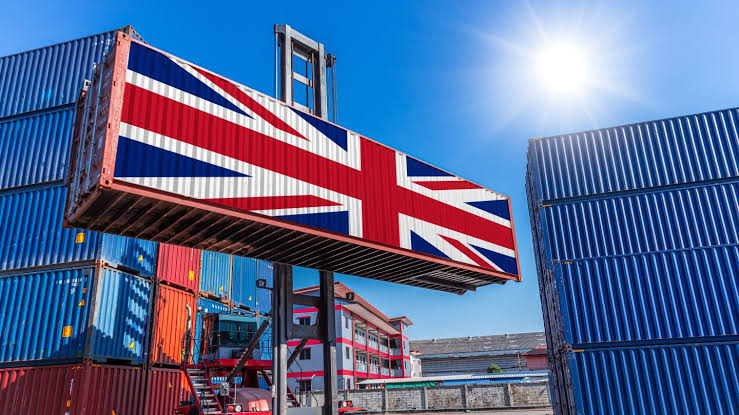
Imagine you find a supplier selling an item for £3, while a similar product from a UK wholesaler costs £5; your first instinct may be to choose the cheaper option because you could potentially make an extra £2 on every sale. However, that £3 is only the supplier’s initial price, so you still need to consider how much it will cost to get the product into the UK, clear it through customs, store it, and prepare it for sale.
Depending on the goods and the shipping arrangement, your expenses may include international freight, insurance, customs clearance, import VAT, customs duty, packaging, and local delivery. You may also face storage charges or unexpected costs if a shipment is delayed, as HMRC guidance explains that customs value, transport, incidental expenses, and applicable duties all affect the total import VAT due.
If your product costs £3 and shipping, clearance, and other costs add another £2 per item, your true landed cost is now £5 before you have even paid for local delivery, marketing, payment processing, or other business expenses. Suddenly, that UK wholesaler’s £5 price does not look so unreasonable. Calculate your full landed cost before deciding which supplier offers the better deal, and check whether import VAT can be recovered under applicable rules rather than assuming every VAT payment is automatically reclaimable.
Check UK Wholesalers Before Ordering From Overseas
One mistake new business owners make is assuming that buying directly from the country where a product is manufactured must always be the cheapest option, which is not always true. UK wholesalers and distributors may already import the products you want to sell, benefiting from established bulk-shipping arrangements that allow them to offer competitive pricing. You might pay slightly more per item, but you avoid the heavy administrative burden and unpredictable costs of managing your own international freight.
Suppose you want to sell African hair products, traditional clothing, or familiar food items to customers in your local community. Before importing a large order, compare prices from UK-based wholesalers, including specialist suppliers serving African and other diaspora communities. Ask about:
-
Minimum order quantities (MOQs) and local delivery fees.
-
Product authenticity and consistency of supply.
-
Clear return policies and payment terms.
Local sourcing also makes it significantly easier to replenish your stock quickly. If a particular wig, fabric, or food product sells out fast, you can reorder and receive new inventory within days rather than waiting weeks for another international shipment to clear customs.
Test the Market Before Committing to a Large Shipment
You do not have to choose between importing everything and buying everything locally; there is a sensible middle ground, especially when your business is still new. Start with a small wholesale order from a UK supplier where possible, using that initial stock to discover what customers actually buy. You might find that one product sells out instantly, while another attracts attention online but barely moves once placed on the shelf.
That real sales data is invaluable because it prevents you from locking up large amounts of capital in unwanted inventory. You can take customer enquiries, conduct market research, and test different price points before committing to a substantial container or air-freight order. Once you have reliable evidence of demand, direct importing becomes far more attractive, as larger orders reduce unit costs, provided you can handle the inventory holding expenses.
Check Product Safety and Labelling Before You Import
There is another critical issue that deserves your attention: not every product you can buy overseas is automatically legal or suitable for sale in the UK. Depending on what you intend to sell, you must meet specific safety, labelling, documentation, or licensing requirements enforced by UK authorities.
A Strategic Compliance Warning: Never rely solely on a overseas supplier’s verbal assurance that a product is compliant. Request official lab test samples, review specification sheets, and verify UK regulatory requirements before placing a major order.
Regulated product categories require strict adherence to UK rules:
-
Food & Beverages: Subject to strict origin controls, ingredient labelling laws, and local authority registration.
-
Cosmetics & Skincare: Must meet UK cosmetic safety regulations and be registered on the UK Cosmetic Product Notification Portal (CPNP).
-
Electricals & Toys: Must carry UKCA/CE safety markings and meet stringent UK safety standards.
While buying from an established UK wholesaler does not remove your duty to ensure product safety, they can often provide existing compliance documentation. When importing directly, the legal responsibility falls entirely on you as the importer of record. Begin by checking the official GOV.UK guidance on importing goods, which details commodity codes, customs declarations, and necessary certification.
Protect Your Cash Flow Before You Scale
Even a highly profitable product can destroy a business if it consumes all your available cash flow. Imagine spending your savings on bulk inventory, only to discover that ocean freight is delayed, sales are slower than expected, or you face an unexpected bill, leaving you with plenty of stock but no cash to cover rent, marketing, packaging, or living costs.
Calculate your full expenses, lead times, and expected profit margins before placing any order, and ensure you retain a healthy cash reserve. Keep business finances separate from personal accounts, record every transaction, and avoid risking essential living funds as business capital.
Finally, if you hold a UK visa, check what business or self-employment activities are permitted under your specific immigration conditions. While a No Recourse to Public Funds (NRPF) condition restricts access to state welfare benefits rather than prohibiting business ownership, your underlying visa route dictates your legal right to trade, so always seek qualified immigration advice if you are unsure. Direct importing is a powerful tool when the numbers make sense, but building a sustainable, cash-positive business should always come first.





Leave a Reply