

You are working, earning in pounds, and finally beginning to feel like your life in the UK is taking shape; perhaps you have moved into a better flat, started sending money home regularly, opened an investment account, and begun thinking seriously about buying a property one day. Then you check your immigration documents and remember that your visa expires in a few months, and suddenly, that money you were planning to invest has another urgent destination.
Visa application fees, the Immigration Health Surcharge, legal advice, supporting documents, and maybe even the cost of moving jobs if your current sponsorship is no longer suitable all demand immediate cash. This is one of the financial realities many UK migrants quietly deal with: you are not simply trying to build wealth, but you are building wealth while also paying to maintain the immigration status that allows you to live and work in the UK. So, should you focus on your visa first or your financial future? The answer is not really one or the other, you need a strategy that protects your immigration position while allowing your finances to keep moving forward.
Your Savings Cannot Replace Your Immigration Status
Having £10,000 in your savings account can give you a strong sense of security; it can help you handle an emergency, pay an unexpected bill, or prepare for a major life expense, but there is something your savings cannot do. Money cannot turn an expired visa into valid immigration permission; it cannot replace a required Certificate of Sponsorship, and it cannot automatically fix a problem with your legal standing.
Your legal status determines whether you have permission to remain in the UK and, depending on your route, what work you are allowed to do, while your savings are simply there to support you financially within that legal framework. This distinction is vital because it changes how you plan: if your visa expires in six months and you know you will need to make an application, that application must become an immediate financial priority. It does not mean you have to stop investing completely, but rather that you should know what your immigration costs are likely to be before deciding how much money is genuinely available for long-term goals.
Your Visa Conditions Can Affect How You Earn
This is particularly important if you are on a Skilled Worker visa. Imagine that you find a better-paying job and think: “Finally, I can increase my income and invest more.”
The salary may look attractive, but you cannot simply move into a different sponsored job and assume your existing visa covers it. If you change employers or make certain changes to your occupation, you generally need to update your Skilled Worker permission and obtain a new Certificate of Sponsorship from the new employer, and you should not start the new job until you have confirmation of that permission.
The same principle applies to additional work: Skilled Workers can do certain additional work for up to 20 hours a week while continuing their sponsored job, provided the additional work meets relevant immigration conditions. If you want to work more than 20 hours a week in another job, you generally need to update your visa and obtain a new Certificate of Sponsorship for that specific work. So before accepting a side job, changing employers, or starting a business, check your visa conditions first, because a higher income is good, but a higher income that puts your immigration status at risk is a dangerous situation.
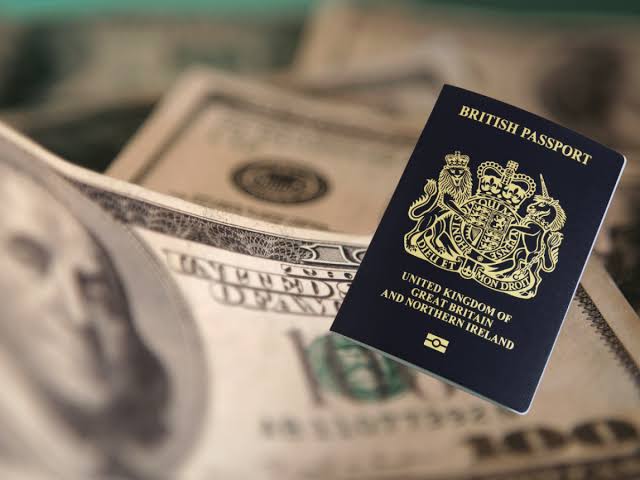
Legal Status Without Financial Reserves Can Leave You Vulnerable
Now let us look at the other side of the equation: you have valid immigration permission, your documents are in order, and your job is secure, but you have almost nothing saved. Then your rent increases, your car breaks down, your employer delays your wages, a family emergency requires an expensive flight, or your child needs something you did not budget for. Suddenly, having valid immigration status does not solve the immediate financial crisis.
This is where building an emergency fund becomes essential. If you have a No Recourse to Public Funds (NRPF) condition, it generally restricts access to specified state benefits and housing assistance classified as public funds. However, NRPF does not mean that migrants are excluded from every form of support; some contributory benefits, statutory payments, and public services are not classed as public funds, depending on your exact eligibility.
Having accessible savings gives you an indispensable layer of protection. An emergency fund cannot replace the welfare system, but it gives you vital breathing room when unexpected expenses arrive.
Build a Visa Fund Before Your Renewal Becomes Urgent
One of the biggest financial mistakes you can make is treating immigration costs as a surprise when you already know your visa has a fixed expiry date. Use that timeline to your advantage by checking the current application fee for your route, finding out whether you need to pay the Immigration Health Surcharge, considering professional legal advice, and accounting for the costs of dependants applying with you.
The costs can be substantial: standard Skilled Worker application fees range significantly depending on the circumstances, while the standard Immigration Health Surcharge for most visa applicants sits at £1,035 per year (though health and care workers have specific exemptions). Because Home Office fee tables update over time, always check official fee information when you get close to applying rather than relying on old figures from social media.
Instead of suddenly taking thousands of pounds from your investment account or house-deposit savings, create a separate visa “sinking fund.” Divide a large future expense into manageable monthly contributions so the cost is fully covered before your application window opens.
Your Visa Fund and Emergency Fund Should Do Different Jobs
This is where your financial planning becomes much easier: do not put every pound you have into one general savings account and try to decide what it is for when a bill arrives. Give your money distinct jobs:
-
Visa Renewal Fund: Dedicated exclusively to predictable immigration, legal, and biometric fees.
-
Emergency Reserve: Accessible cash set aside for unexpected car repairs, sudden job disruptions, or medical emergencies.
-
Long-Term Wealth: Capital placed into ISAs, pensions, or investments meant for goals years into the future.
That separation prevents the common disaster where a migrant has to liquidate long-term investments or empty their emergency savings because their visa renewal arrived before they prepared for it. You can even keep a simple note in your banking app showing your next visa expiry date alongside your target amount and monthly contribution to stop immigration costs from ambushing your finances.
You Can Build Wealth While Protecting Your UK Future
There is a temptation to think: “Until I get settled status or Indefinite Leave to Remain, I cannot really build wealth.” That is simply not true. You can work towards financial stability while maintaining your immigration status, saving for a deposit, contributing to a workplace pension, investing gradually, building an emergency fund, and supporting your family while simultaneously putting money aside for your next immigration milestone.
The trick is knowing which money should be available soon and which money can stay invested for years. If your visa renewal is six months away, money needed for the application should not be exposed to market risks; however, if your immigration costs are fully covered and your emergency fund is healthy, you have far more room to pursue longer-term wealth goals.
You do not have to choose between being the migrant who is constantly worried about their visa and the migrant who is aggressively chasing wealth; you can be intentional about both. Know your visa expiry date, understand your work conditions, check immigration costs early, create a dedicated visa fund, maintain an emergency reserve, and keep working towards your bigger financial dreams. Your immigration status gives you the legal foundation to build your life in the UK, while your financial habits determine how much stability you can create within that life.




Leave a Reply