
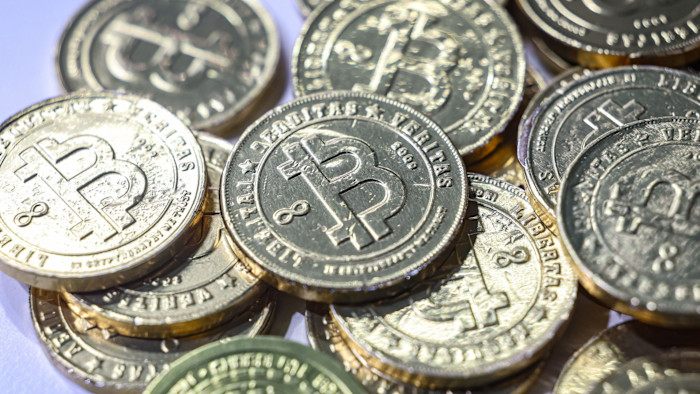
Cryptocurrency has become one of the most talked-about investment opportunities in recent years. Scroll through social media for five minutes, and you’ll probably come across someone claiming they doubled their money overnight or discovered the next digital coin that will make everyone rich.
If you’re a migrant living in the UK, it’s easy to wonder whether crypto could help you build wealth faster. After all, you’re already juggling visa fees, rent, rising living costs, and long-term financial goals like buying a home or qualifying for Indefinite Leave to Remain (ILR).
The idea of making your money work harder is certainly appealing, but before you transfer your first pound into Bitcoin or another cryptocurrency, there’s an important question you should ask: can migrants legally invest in crypto while living in the UK? The short answer is yes, but there are some important immigration, tax, and financial considerations that many migrants overlook.
Let’s break everything down in simple terms so you can invest wisely without accidentally creating problems for your visa or your personal finances.
Can Migrants Invest in Crypto in the UK? Yes, but Know the Difference Between Investing and Trading
The first thing to understand is that buying cryptocurrency as a personal investment is generally legal for migrants in the UK. If you purchase crypto with your own money, hold it as a personal investment, and eventually sell it later, that is very different from running a full-time crypto trading business.
This distinction matters because UK immigration rules don’t just look at what you’re investing in, they can also consider how you’re earning your income. For many visa holders, especially those on routes with strict restrictions around self-employment or business activities, regularly buying and selling crypto in a high-frequency, business-like manner could create unexpected compliance issues.
The safest approach is always to understand the specific conditions attached to your immigration route before becoming heavily involved in active trading activities.
Why Can Migrants Invest in Crypto Depends on Their Visa Conditions
One of the biggest mistakes migrants make is assuming that everyone on a UK visa follows the same rules; they don’t. Different immigration routes come with different permissions, especially when it comes to self-employment and business activities. For example, if your visa places strict restrictions on self-employment, operating an active enterprise that revolves around frequent crypto trading could potentially raise red flags during settlement reviews.
This is why it’s dangerous to rely solely on advice from YouTube, TikTok, or online forums, as someone else’s situation may be completely different from yours. Before making crypto a significant part of your financial strategy, take time to understand your own visa conditions, and if you’re ever unsure, getting advice from a qualified immigration adviser is far better than discovering a problem during a future visa application. Remember, protecting your immigration journey should always come before chasing speculative investment returns.
HMRC Still Expects You to Report Crypto Gains
A common misconception is that cryptocurrency exists completely outside the traditional tax system; it doesn’t. HMRC treats cryptoassets as property for tax purposes, meaning any profits you make may have tax consequences depending on your individual circumstances.
If you sell cryptocurrency at a profit, exchange one digital asset for another, or dispose of assets in certain ways, you may have formal reporting obligations. In the UK, Capital Gains Tax (CGT) applies once your gains exceed the annual tax-free allowance, which sits at £3,000.
Another important point is that UK tax authorities increasingly receive data directly from crypto platforms and exchanges, meaning the days of assuming digital transactions are completely anonymous are long gone. If you make taxable gains, keep accurate records of purchase dates, purchase prices, sale dates, sale values, and transaction fees, because good record-keeping makes completing a Self Assessment tax return much less stressful if one becomes necessary.

Never Risk Your Visa Money on High-Risk Investments
Here’s something that deserves repeating: your emergency fund and your investment portfolio should never be the same thing. Crypto markets can experience dramatic swings within hours, and a coin worth thousands today could lose a significant percentage of its value tomorrow.
If you’re saving for visa renewal fees, Immigration Health Surcharge payments, Indefinite Leave to Remain applications, British citizenship fees, or emergency living expenses, those funds should be kept somewhere safe and easily accessible, not invested in highly volatile assets.
Many migrants live under the No Recourse to Public Funds (NRPF) condition, meaning there is very little public financial safety net if something unexpected happens. Your visa fund is your lifeline; protect it at all costs.
Build Strong Financial Foundations Before Chasing Crypto Returns
It’s easy to feel like you’re falling behind when everyone online seems to be talking about rapid investment returns, but the truth is that lasting wealth is usually built on boring financial habits before exciting investments. Before putting significant money into cryptocurrency, ask yourself a few honest questions:
-
Do you already have a three-to-six-month emergency cash fund?
-
Are you capturing your employer match by contributing to your workplace pension?
-
Have you started taking advantage of tax-efficient accounts such as a Stocks and Shares ISA?
-
Are your high-interest debts completely under control?
If the answer to these questions is “not yet,” then building those core foundations will often have a far bigger long-term impact on your financial future than trying to guess the next crypto winner. Speculative investments should usually come after you’ve built financial stability, not before.
Avoid Crypto Scams That Specifically Target Migrants
Unfortunately, migrants are often targeted by scammers promising quick wealth and guaranteed returns through convincing tactics, whether someone claims they have a “special investment opportunity,” a stranger contacts you on WhatsApp, a social media influencer promises daily profits, or a fake broker guarantees returns that sound too good to be true.
In reality, legitimate investments never come with guaranteed profits. If you’re considering buying cryptocurrency, stick with reputable platforms that comply with UK regulations, research thoroughly before investing, and never send money to individuals you’ve only met online. If someone pressures you to invest immediately, that’s usually your first warning sign to walk away.
Moving to the UK is already one of the biggest financial decisions you’ll ever make, as you’ve invested time, money, and enormous personal sacrifice into building a better future. Don’t let the noise surrounding cryptocurrency distract you from that bigger picture.
Yes, migrants can legally invest in crypto in many circumstances, but smart investing is about more than buying digital coins; it’s about understanding your visa conditions, meeting your tax responsibilities, protecting your emergency savings, and making decisions that support your long-term goals.
Build your financial foundation first, and once that’s secure, you’ll be in a much stronger position to explore higher-risk investments with confidence instead of desperation.





Leave a Reply