
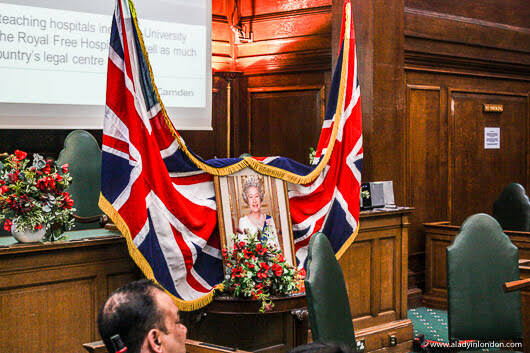
There are few moments more emotional in a migrant’s journey than attending your official British citizenship ceremony. After years of visa renewals, expensive application fees, endless paperwork, and wondering whether every email from the Home Office carries good or bad news, you finally hold your naturalisation certificate in your hands, so take a moment to celebrate, because you’ve truly earned it.
But here’s something many new citizens don’t realise: British citizenship isn’t the end of your journey, but rather, it’s the beginning of a completely different chapter. Your immigration status has changed permanently, which means some responsibilities disappear while entirely new opportunities open up, and knowing what to do next helps you avoid unnecessary fines, protects your new status, and positions you to make the most of the freedom you’ve worked so hard to achieve. Let’s walk through the important steps together.
British Citizenship Isn’t the Finish Line, It’s a Fresh Start
For many migrants, every major life decision previously revolved around immigration, career choices, travel plans, family decisions, and even where you live were often influenced by visa expiry dates, sponsorship requirements, and future settlement plans. Once you become a British citizen, that constant background pressure finally begins to fade away, meaning you’re no longer planning your life around the next visa renewal, but instead planning your future around your personal goals.
That shift is incredibly powerful, and whether your dream is buying your first home, launching a business, changing careers, travelling more freely, or simply enjoying life without constantly checking immigration guidance, British citizenship gives you a level of long-term security that temporary visas simply cannot provide. However, before you rush into making plans, there are a few important administrative tasks that deserve your immediate attention.
British Citizenship Means Handling Your BRP Correctly
One of the most commonly overlooked responsibilities after becoming a British citizen involves your physical Biometric Residence Permit (BRP). Many people assume they can simply keep it as a souvenir or continue carrying it alongside their citizenship certificate, but unfortunately, that’s not how the system works. Once you’ve attended your citizenship ceremony, your BRP is no longer legally valid, and the Home Office requires you to handle it in accordance with current guidance, such as returning or destroying it as instructed, to avoid potential administrative issues or fines.
It feels like a small detail, but immigration systems often operate on precision, meaning that something as simple as overlooking a card disposal requirement can create avoidable complications. Think of properly concluding your BRP usage as officially closing the immigration chapter of your life, because you’re no longer relying on temporary permission to stay; you now belong here as a British citizen.
An Administrative Reminder: Small administrative steps often protect the biggest milestones. Don’t let post-ceremony excitement make you overlook important post-citizenship compliance steps.

British Citizenship Requires a British Passport Before You Travel
Another misunderstanding catches many new citizens completely by surprise: receiving your naturalisation certificate does not automatically give you a travel document. Your certificate proves that you are now a British citizen, but it cannot be used to board flights or re-enter the UK, and likewise, your old BRP or status document is no longer valid for re-entry as a resident.
If you’re planning a holiday, visiting family overseas, or travelling for work, your next priority should be applying for your first British passport. This is especially important if you’ve already started making travel plans, as booking international flights before receiving your physical passport can create unnecessary stress if processing takes longer than expected, meaning patience here pays off, because once your passport arrives, international travel becomes significantly simpler.
British Citizenship Opens Financial Opportunities You Shouldn’t Ignore
Becoming a British citizen changes much more than your legal status; it can strengthen your financial future as well. One simple but important step is registering on the electoral roll, because while many people think of voting purely in political terms, it also plays a massive role in helping credit reference agencies verify your identity, making it much easier for lenders to confirm your address when assessing applications for products such as mortgages or loans.
Even more significant is the fact that the No Recourse to Public Funds (NRPF) condition attached to many visas no longer applies once you’re a British citizen. For years, many migrants carefully built emergency savings because they couldn’t rely on the same public support available to others, but that restriction has now ended, and while you hopefully won’t ever need public assistance, knowing that the legal barrier has been removed provides valuable peace of mind, allowing your financial planning to focus on growth, investment, and long-term wealth rather than simply protecting yourself against immigration uncertainty.
British Citizenship Gives You Greater Freedom to Live Your Life
One of the greatest gifts citizenship provides isn’t financial, it’s psychological. Think about how much mental energy immigration has demanded over the years, as you may have tracked every day spent outside the UK, worried about maintaining continuous residence, counted down visa expiry dates, or wondered what would happen if your employer restructured or sponsorship ended.
Those concerns shape daily life far more than many people realise, but British citizenship removes many of those constraints entirely. You no longer have to organise your future around settlement qualifying periods or the risk of losing your status because of changing employment circumstances, meaning your decisions can finally revolve around your ambitions, whether you want to accept an international work opportunity, study abroad for a while, or simply visit family for longer without calculating how every absence affects your immigration record.
British Citizenship Is Your Platform for Building a Legacy
It’s tempting to think the journey ends with receiving a red passport, but in reality, that’s when the most exciting chapter begins. Everything you’ve sacrificed, the long working hours, the visa fees, the uncertainty, the homesickness, and the endless paperwork, has created a solid foundation you can now build upon with far greater confidence.
Now is the time to think beyond immigration: build your investments, purchase property if that aligns with your goals, grow your business, develop new skills, support your family, and create lasting opportunities for the next generation. British citizenship doesn’t automatically create wealth or success, but it removes many of the legal uncertainties that previously slowed your progress, giving you the freedom to make decisions based on long-term vision instead of daily survival.
Becoming a British citizen is a remarkable achievement, and you deserve to celebrate every part of it; however, don’t let the excitement cause you to overlook the practical next steps. Handle your BRP appropriately, apply for your British passport before travelling overseas, register to vote, update your records where necessary, and begin planning your future from a place of permanent stability rather than temporary permission. You’ve spent years working towards this moment, so use the security you’ve earned to build a life that reflects your courage, resilience, and ambition, because citizenship isn’t simply about having the right to stay in the UK, it’s about having the freedom to truly thrive.




Leave a Reply