
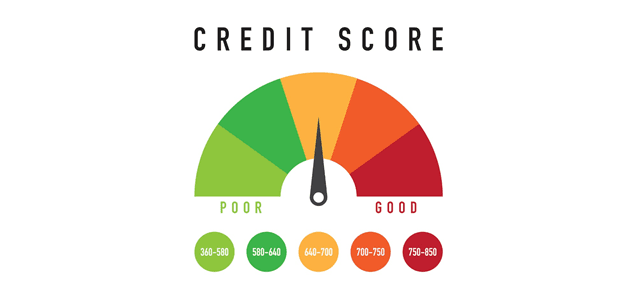
Building credit in the UK is important, but it should never come at the cost of your peace of mind. A lot of migrants hear “you need a good credit score” and immediately feel pressured to take loans, open multiple credit cards, or spend money they don’t actually have. That’s where the problem starts.
The truth is, the UK system doesn’t reward you for borrowing a lot of money; it rewards you for handling small amounts of borrowed money responsibly over time. Once you understand that, everything becomes less intimidating and a lot more manageable. You don’t need to struggle financially to build credit. You just need to be consistent and intentional.
Understanding That Credit in the UK Is About Behaviour, Not Wealth
One of the biggest misconceptions people have is that credit is about how rich you are. It’s not. In the UK, credit is more like a trust score. It tells lenders how reliable you are when it comes to borrowing and repaying money.
So when banks or lenders look at your profile, they’re not asking, “How much money does this person have?” They’re asking, “Can this person be trusted to pay back what they borrow?”
That’s why things like on-time payments, consistency, and stability matter so much. Even if you earn well, a poor repayment history can work against you. On the other hand, even if you’re starting, a clean and consistent record can open doors for you over time.
This is why I always say: don’t rush the process. Credit building is not a race. It’s something you grow quietly in the background.
Setting a Strong Foundation From the Start
When you’re new in the UK, your credit file is either empty or very limited. That’s normal. Everyone starts there. What matters is how you begin to build from that point.
If you’re eligible, one of the simplest ways to strengthen your profile early is to register on the electoral roll. It helps confirm your identity and shows stability in your address. If you’re not eligible because of your visa status, don’t stress — it’s helpful, but it’s not the only way to build credit.
What matters more is creating a pattern of reliability. This can come from everyday things like paying your phone bill on time, keeping up with utility payments, and maintaining a consistent address history. These small actions may not feel like much, but they quietly shape how lenders see you.
In the UK, stability speaks loudly.
Using Credit Cards the Right Way
Now let’s talk about credit cards, because this is where many people either build strong credit or get into unnecessary debt. A credit card is not free money. It’s a tool. And like any tool, it depends on how you use it.
The smartest way to approach it is simple: use it for small, predictable expenses and pay it off in full every single month. That could be groceries, transport, or a subscription you already budget for. The goal is not to spend more; the goal is to show discipline.
When you do this consistently, you’re telling lenders, “I can borrow and repay without issues.” That’s exactly what they want to see.
Another important detail is how much of your limit you use. Even if your card allows you to spend £1,000, it doesn’t mean you should go anywhere near that. Keeping your usage low, ideally under 30%, signals that you’re not dependent on credit. So instead of trying to “max out” your card, think of it as a quiet routine. Spend small, repay fully, repeat consistently.

Why Paying on Time Matters More Than Anything Else
If there’s one thing I want you to take seriously, it’s this: never miss a payment.
In the UK system, missed or late payments can damage your credit profile quickly. And the frustrating part is that it can take much longer to fix than to cause. This doesn’t just apply to credit cards. It includes things like mobile phone contracts, utility bills, and even buy-now-pay-later services. Everything contributes to your financial footprint.
The easiest way to stay on track is to remove memory from the equation. Set up direct debits where possible so payments happen automatically. That way, you’re not relying on reminders or hoping you won’t forget. Consistency is what builds trust here. Not speed. Not volume. Just steady, reliable behaviour over time.
Patience Is the Real Strategy
Let me be honest with you: building credit in the UK is not exciting. You won’t see instant results. You won’t suddenly wake up with a perfect score overnight. But what you will see, if you stay consistent, is steady improvement.
Within six months to a year of doing the right things, paying on time, using credit lightly, and staying financially organised, your profile can become much stronger. And that strength shows up when you need it most. It helps when you’re renting a better apartment. It supports applications for car finance. It even plays a role when you’re thinking long-term, like getting a mortgage.
That’s why it’s important to see credit as a foundation, not a quick win.
My Honest Advice to You
Speaking to you as a friend, I’ll say this as clearly as possible: you do not need to go into debt to build credit in the UK. You don’t need multiple credit cards. You don’t need unnecessary loans. You don’t need to impress anyone with your spending.
What you need is control. Start small. Stay consistent. Pay on time. Keep things simple.
The UK system actually works very well when you understand it. It rewards patience, discipline, and clarity. And once you align with that, you stop feeling like you’re chasing a score and start feeling like you’re building something stable.





Leave a Reply