
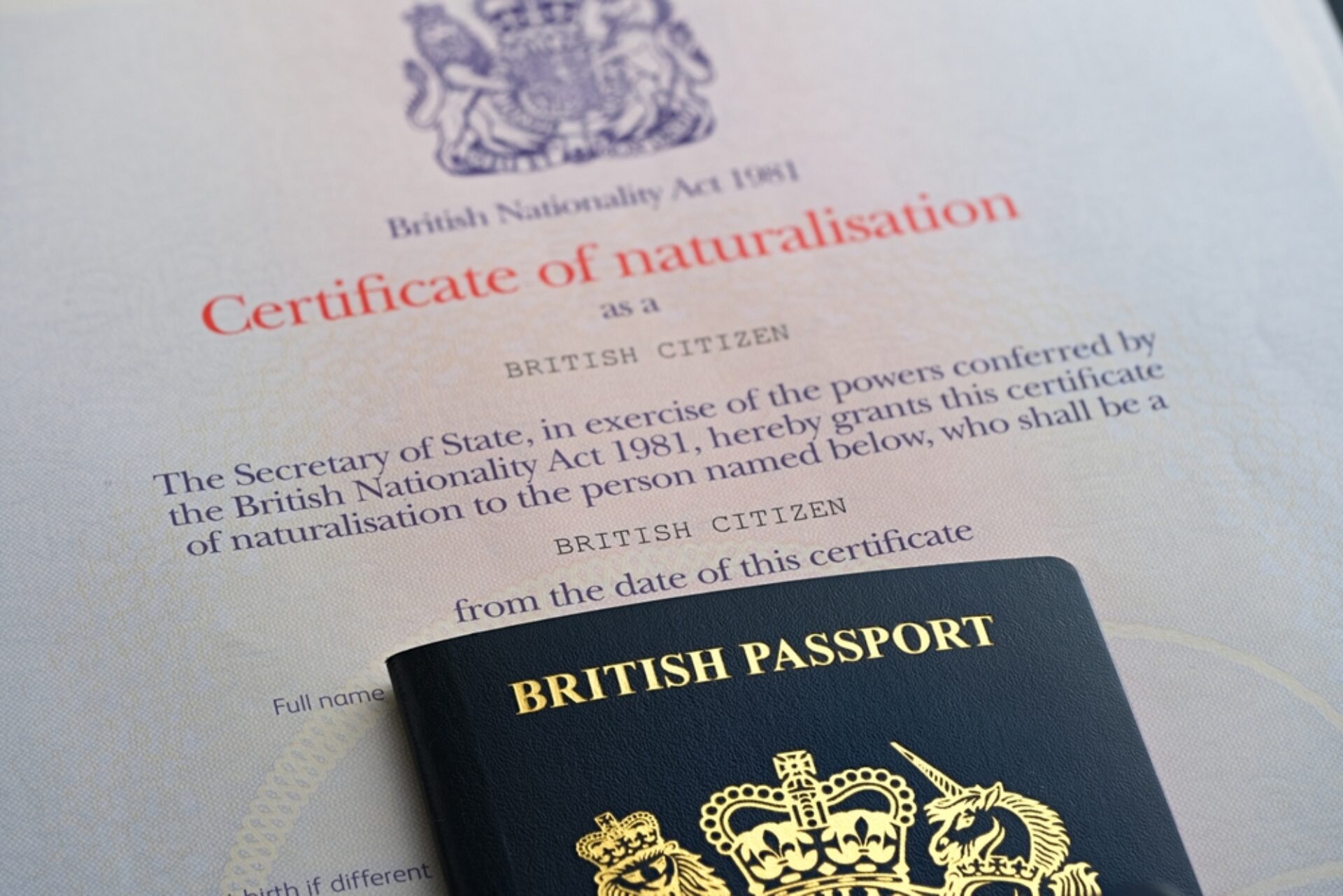
Reaching Indefinite Leave to Remain (ILR) is an absolute milestone. After years of tracking your travel days, hoarding every utility bill, and spending thousands of pounds on visa applications, you finally cross that finish line. Your status in the UK is secure, and that crushing weight of visa expiration dates lifts off your shoulders. But almost immediately, a new pressure starts creeping in. You look at your calendar, talk to your friends, and think to yourself, “Okay, what’s next? I need to apply for citizenship right away.”
For many migrants, naturalisation feels like the final, automatic boss level of the relocation journey. But let’s have an honest, kitchen-table conversation about this: rushing into a citizenship application the very second you get your ILR paperwork isn’t always the smartest or most strategic move. There is absolutely no prize for applying the fastest. In fact, taking a deliberate pause to evaluate your records, your legal eligibility, and your long-term global goals can actually protect your application from a costly refusal.
Understanding What Changes and Recognising When the Clock is Still Ticking
To make the best decision for your future, we need to strip away the confusion and look at what ILR and citizenship actually give you. ILR is your permanent residence; it means the UK has opened its doors and said you can live, work, and study here indefinitely without ever needing another visa renewal. Citizenship, on the other hand, is a formal step further. It grants you a British passport, voting rights, and full legal nationality. While they feel like two sides of the same coin, the Home Office treats them as entirely separate legal processes with their own strict boundaries.
A common surprise for many newcomers is realising that the Home Office often forces a waiting period anyway. Unless you are legally married to a British citizen, the standard rule for most visa routes requires you to hold your ILR status for a full twelve months before you can even hit submit on a citizenship application. This built-in gap isn’t just bureaucratic dead time. It is a highly valuable window that you can use to audit your financial records, stabilise your life, and ensure your profile is completely flawless before inviting the government to look closely at your life once again.
The Unspoken Truth About Your Post-ILR Record and Lifestyle
Many people mistakenly believe that once you secure ILR, the Home Office stops looking at your past. They treat it like a clean slate where previous minor slip-ups vanish. Unfortunately, that is a dangerous misconception. Citizenship applications are notorious for their strict scrutiny regarding what the government calls “good character” requirements. The caseworkers will look closely at your entire history in the UK, including your precise travel movements, your tax filings with HMRC, any driving offences, and your general legal conduct.
If your life has been a chaotic rush of moving houses, changing jobs, or resolving complex tax issues right up to the moment you received your permanent residency, rushing into naturalisation can backfire. If there is a gap in your employment history, an unresolved tax query, or an ambiguous period of travel, waiting a little bit to build a rock-solid, stable track record under ILR is incredibly wise. Giving your records an extra year to settle and clean up provides the ultimate layer of protection against an unexpected and highly expensive application rejection.
Citizenship is a profound lifestyle decision, not just another piece of administrative paperwork. It is perfectly okay to pause, take a deep breath, and think about how a British passport fits into your broader life puzzle.
Weighing Dual Nationality, Identity, and the Truth About Job Sponsorship
Beyond the paperwork, there are deep, long-term personal questions you need to ask yourself. Some migrants find themselves caught in a complex web of global logistics. You have to consider whether your home country even allows dual citizenship, or if taking a British passport means forfeiting your heritage, your property rights, or your ability to easily return home to care for aging parents. Treating citizenship as an automatic, unthinking next step robs you of the chance to plan strategically for your global future. True wealth and security come from making intentional choices, not just collecting passports because you feel social pressure to do so.
This brings us to a parallel truth about navigating life and career progression in the UK: things are rarely as straightforward as they appear on paper. It is exactly like looking for a new job and seeing the phrase “Visa Sponsorship Available” proudly displayed on a job advert. A lot of migrants see those three magic words and instantly feel a massive wave of relief, thinking their foot is already in the door.
But as your friend, I need to remind you that there is a massive gulf between a company being capable of sponsoring someone and that company actually choosing to sponsor you specifically. Just because an employer holds a sponsor license does not mean they will automatically hand it over; they still have to justify the immense cost, the internal legal paperwork, and the administrative hassle of choosing an international candidate over a local applicant. Whether you are navigating the job market or planning your route to a passport, the secret to thriving in the UK is looking past the surface-level promises, slowing down, and building a flawless personal profile that makes you undeniable.





Leave a Reply