
Moving into your first home in the UK can be such a beautiful moment. After all the visa applications, flights, paperwork and uncertainty, you finally have a space you can call yours. And then reality hits.
You need a bed. A sofa. Curtains. Pots and pans. A fridge. Maybe a washing machine. Suddenly, that empty flat is looking less like a fresh start and more like a very expensive shopping list.
If you’re new to the UK, there can be a strong temptation to buy everything brand new. You want your home to feel comfortable, complete and beautiful as quickly as possible. But if you’re also dealing with rent, deposits, utility bills, transport costs and immigration expenses, spending thousands furnishing your home in one weekend may not be the smartest financial decision.
For migrants who have limited access to public funds or are building their financial safety net from scratch, cash reserves matter enormously.
Your home doesn’t need to be Instagram-perfect on day one. It needs to be affordable, functional and financially sustainable.
Why buying everything brand new can hurt your finances
Let’s imagine you’ve just arrived in the UK and secured a rental property. You’ve already paid your deposit and perhaps your first month’s rent. You also need to buy groceries, arrange transport, purchase winter clothing and possibly wait several weeks before receiving your first salary.
Now add £800 for a sofa, £500 for a bed, £400 for a dining table and chairs, £300 for kitchen equipment and another few hundred pounds for appliances.
You’ve suddenly spent several thousand pounds before you’ve even properly settled.
This is where new migrants sometimes get caught out. The individual purchases don’t always feel outrageous, but together they can wipe out the emergency fund you desperately need.
And if your immigration route means you cannot rely on public funds, having accessible savings becomes even more important.
A beautiful home is lovely, but a beautiful home with £12 in your bank account is considerably less lovely.
The smarter approach is to furnish gradually and prioritise the things that genuinely affect your daily life.
Score quality furniture for less
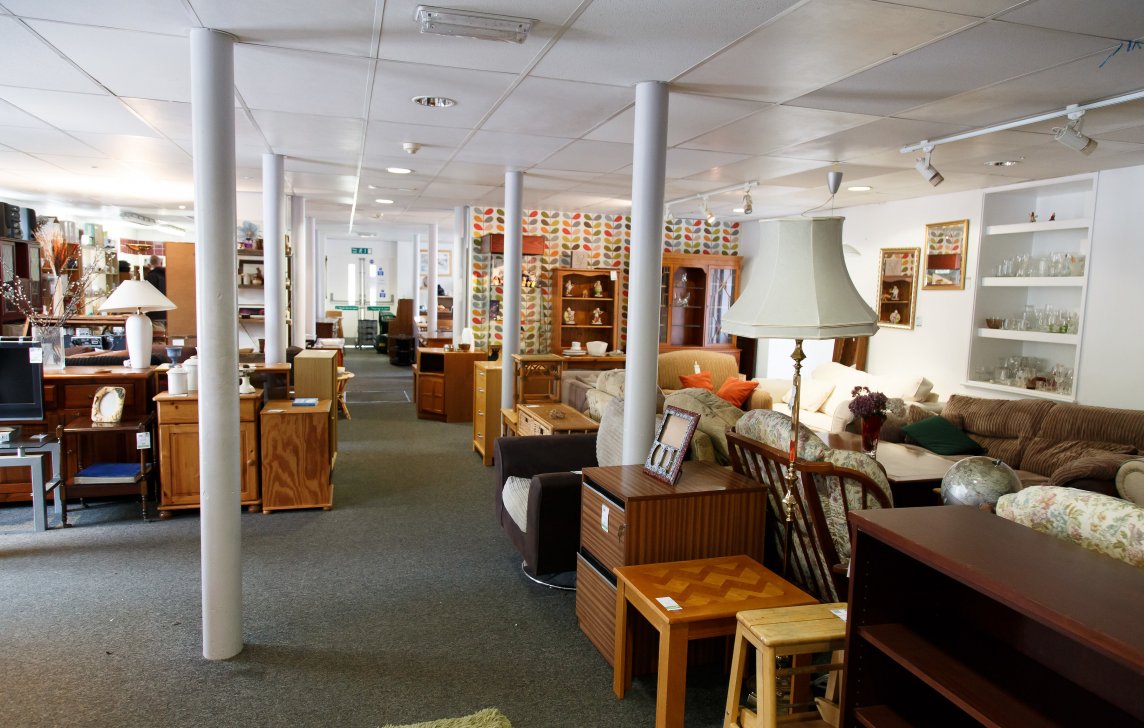
The UK has a surprisingly strong second-hand market, and you can often find excellent furniture without paying high-street prices.
Platforms such as Facebook Marketplace and Gumtree can be useful for finding sofas, dining tables, wardrobes, desks and other household items. Charity retailers such as British Heart Foundation furniture stores can also have affordable options, with some items being donated in excellent condition.
The trick is not to assume that “second-hand” means “poor quality”.
Someone may be selling a perfectly good sofa simply because they’re moving abroad. A family might be replacing a dining table because they’ve renovated their home. Someone who has bought a new bedroom set may be selling their old wardrobe for a fraction of what it originally cost.
Of course, inspect items carefully before paying. Look for structural damage, stains, odours, signs of damp or mould and evidence of pests. Be particularly cautious with upholstered furniture because bedbugs can be extremely difficult and expensive to eliminate.
For safety and hygiene reasons, buying a new mattress is usually one area where saving aggressively may not be worth the risk.
Furniture is different. A sturdy second-hand dining table does not care whether you paid £600 or £60 for it.
Buy refurbished technology instead of paying full price
Technology is another area where migrants can easily overspend.
You might arrive thinking, “I need a laptop, microwave, television, kettle, air fryer and everything else immediately.”
Before heading straight to the most expensive electrical retailer, consider refurbished options.
Platforms such as Back Market and CeX sell used or refurbished electronics, and depending on the item and seller, you may receive warranties or consumer protections that you wouldn’t get from buying privately.
The key is to understand exactly what you’re purchasing.
Check the condition, warranty, return policy and specifications before paying. For laptops and phones, pay attention to battery health and whether the device still receives software and security updates. For appliances, check that the model is suitable for UK electrical standards and comes with the appropriate plug.
Refurbished does not automatically mean “old and broken.”
Sometimes you’re simply paying less because someone else opened the box first.
That difference can be very meaningful when you’re trying to protect your savings during your first few months in Britain.
Think carefully before buying a car
For migrants living outside central London, buying a car can feel like the obvious solution to transport problems.
But don’t let the excitement of owning a vehicle make you forget the actual cost of running one.
A used car can be considerably cheaper than a new one, but the purchase price is only the beginning. You need to consider insurance, fuel, vehicle tax where applicable, MOT costs, servicing, repairs, parking and potentially clean-air or emissions-zone charges.
If you’re considering a used car, check its MOT history and understand its emissions status before handing over your money. This is particularly important if you’re going to drive into areas with schemes such as London’s Ultra Low Emission Zone.
Websites such as AutoTrader can help you compare used vehicles, but don’t rely purely on the seller’s description. Research the specific vehicle, check its history and consider getting an independent inspection if you’re spending significant money.
And please get an insurance quote before buying. You don’t want to purchase a £4,000 car and then discover that insuring it costs far more than you expected.
Don’t let a cheap price fool you
Here’s something many people learn after moving to the UK,
Cheap isn’t always cheap.
You might find a £50 wardrobe on Facebook Marketplace, but if you need to hire a van for £80 and pay someone another £40 to help you transport it, you’ve already spent £170.
At that point, the £100 wardrobe from a nearby shop may actually have been the better deal.
The same applies to appliances and electronics. A cheap washing machine that needs a £150 repair six weeks later isn’t necessarily a bargain.
Always calculate the total cost, not just the sticker price.
Think about delivery, transportation, installation, repairs and the time involved in collecting the item. Sometimes paying slightly more for something nearby, reliable and ready to use is the smarter financial decision.
Furnish your UK home gradually. One of the best things you can do when settling into a new UK home is resist the pressure to finish everything immediately.
Start with what you genuinely need.
A decent mattress matters because you need somewhere comfortable to sleep. Basic cookware matters because preparing your own food can save you a considerable amount compared with constantly buying takeaway meals. Curtains, basic lighting and essential appliances may also move quickly up the priority list depending on what your property already provides.
Then take your time.
You don’t need a matching sofa, coffee table, television unit, artwork and decorative cushions during your first week.
Permit yourself to live in the space before deciding what it actually needs.
As your income stabilises, you can gradually upgrade things. You may discover that you don’t even want some of the items you initially thought were essential.
This approach also protects money that may be needed for immigration-related expenses, emergencies or unexpected household costs.
Your first UK home doesn’t have to look finished
There is absolutely nothing wrong with wanting a beautiful home. In fact, creating a comfortable space can make the emotional transition to a new country much easier.
But don’t confuse comfort with consumption.
Your first sofa doesn’t have to be designer. Your dining table doesn’t need to be brand new. Your television doesn’t need to be the biggest one in the shop.
You’re building a life, not staging a showroom.
The money you save by buying intelligently can become an emergency fund, contribute towards future immigration costs, help you invest, support your family or simply give you breathing room when something unexpected happens.
And trust me, something unexpected eventually happens.
So furnish your home, make it warm, make it yours. But do it at a pace that your finances can actually afford.
Because when you’re starting a new life in the UK, financial security is part of the furniture too.



Leave a Reply