

For many migrants in the UK, there is a moment during almost every job application process that causes an unexpected wave of anxiety. Everything is going well. The interview feels positive, the conversation is flowing naturally, and you can tell the employer likes your experience. Then the question arises:
“Do you have the right to work in the UK?”
Suddenly, confidence disappears.
Many talented professionals who can confidently discuss complex projects, leadership experience, technical skills, and career achievements begin to hesitate when discussing their immigration status. Their voice changes. They start over-explaining. Some even sound apologetic, as though having a visa is something they need to justify.
If that sounds familiar, I want to share something important with you. Your visa is not an apology.
It is not a weakness. It is not a personal flaw. It is simply an administrative reality that determines how you are legally allowed to work in the UK. The sooner you begin treating it that way, the stronger and more professional you will appear during interviews.
Your Visa Is Not an Apology: Stop Treating Immigration Status Like a Personal Defect
One of the biggest mindset shifts migrants need to make is separating their immigration status from their personal value.
Many of us arrive in the UK after navigating complicated immigration processes, expensive application fees, visa renewals, health surcharges, and countless pieces of paperwork. Over time, it becomes easy to feel as though your visa is attached to your identity. But employers don’t see it that way.
When an interviewer asks about your right to work, they are not asking whether you deserve the opportunity. They are not evaluating your worth as a candidate. They are simply trying to understand whether there are any legal considerations involved in hiring you.
Think of it this way: if an employer asks about your availability to start work, you wouldn’t feel embarrassed. If they ask whether you can work remotely or travel for business, you wouldn’t become defensive.
Your visa status belongs in the same category. It is information, nothing more.
The moment you stop viewing your immigration status as something that needs to be apologised for, you naturally begin presenting yourself with greater confidence and professionalism.
Your Visa Is Not an Apology: Employers Simply Need a Right-to-Work Answer
One thing that surprises many migrants is how routine right-to-work checks actually are.
Every employer in the UK has legal responsibilities when hiring staff. Before someone can start working, employers must verify that the individual has permission to work in the country. This requirement applies across industries and affects both British citizens and migrants in different ways.
In other words, employers are not singling you out; they are completing a standard part of the hiring process.
This is why clarity matters so much. When employers ask about your status, they are usually looking for a straightforward answer that allows them to determine the next step. A clear and concise response immediately reassures them.
For example, compare these two approaches:
The first candidate becomes nervous, provides a lengthy explanation of previous visa applications, discusses immigration difficulties from several years ago, and eventually leaves the interviewer more confused than informed.
The second candidate simply says:
“I am currently on a Skilled Worker visa and have legal permission to work in the UK. My current visa remains valid until [date].”
The information is the same, the impression is completely different. Confidence often comes from clarity.
Your Visa Is Not an Apology: Why Over-Explaining Can Create Unnecessary Doubt
One common mistake migrants make during interviews is sharing far more information than the employer actually needs. This usually happens because we want to prove that everything is legitimate. We worry that if we don’t explain every detail, the employer might misunderstand our situation.
Unfortunately, the opposite often happens. When candidates begin discussing multiple visa extensions, previous immigration concerns, application delays, family circumstances, health surcharge payments, or complicated historical details, they unintentionally make a simple situation sound far more complicated than it really is.
Remember that interviews are about solving problems for employers. If your answer creates confusion instead of clarity, the employer may begin worrying about issues that were never actually concerns.
A useful principle is this:
Share your current immigration status clearly and accurately. Only provide additional information if the employer specifically asks for it.
Professional communication is often about giving enough information, not every piece of information.
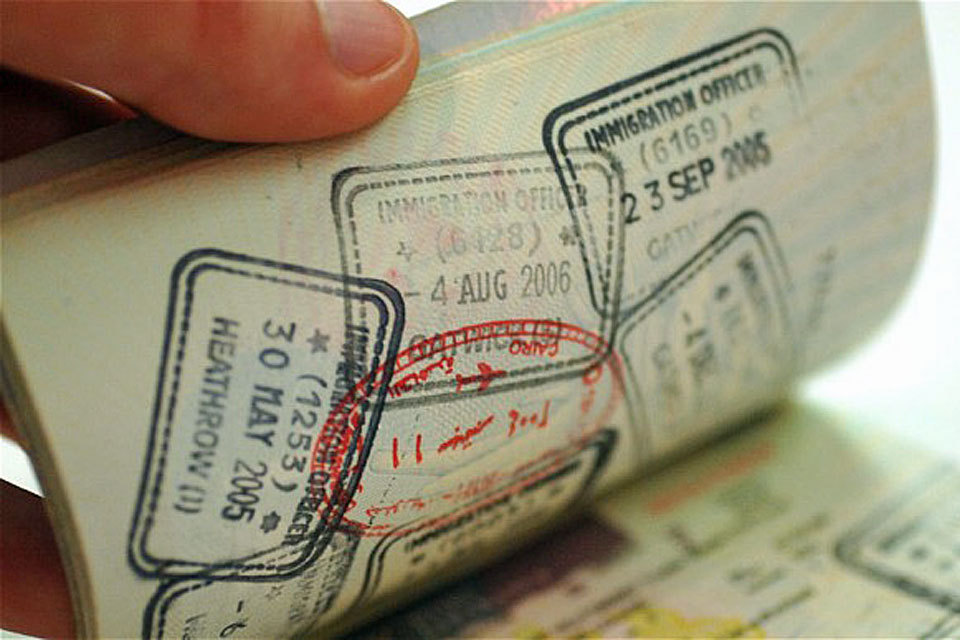
Understanding Your Visa Conditions Builds Professional Confidence
One of the easiest ways to sound more confident during interviews is to genuinely understand your visa conditions. Many migrants know the broad outlines of their immigration status but struggle to explain the details when asked directly. That uncertainty often becomes visible during interviews. When you understand your legal position thoroughly, your confidence naturally improves.
For example, if you are on a Graduate Route visa, you should comfortably understand your work permissions and limitations. If you are on a Student visa, you should know your permitted working hours and restrictions. If you are on a Skilled Worker visa, you should understand how sponsorship affects your employment options.
Employers appreciate candidates who know their own circumstances. It demonstrates responsibility, professionalism, and maturity.
More importantly, it allows you to answer questions quickly and accurately without appearing uncertain.
Sponsorship Conversations Are Easier When You’re Transparent
For candidates who require sponsorship now or may require it in the future, honesty is always the strongest strategy. Sometimes applicants avoid discussing sponsorship because they fear it will reduce their chances of being hired. While that concern is understandable, delaying the conversation rarely helps anyone.
Most legitimate employers prefer transparency.
If sponsorship is required, employers need time to assess whether they can support the process. Discovering this information at the final contract stage creates frustration for both sides. Instead, approach sponsorship discussions with confidence and professionalism.
Explain your situation clearly, answer questions honestly, and focus on the value you bring to the organisation. Employers who are open to sponsorship will appreciate your transparency. Employers who are unable to sponsor would eventually discover the situation anyway.
Trust is built through openness.
Focus on the Value You Bring, Not the Paperwork You Carry
At the end of the day, your visa is only one small part of your professional story. The employer invited you to interview because of your skills, experience, education, achievements, and potential contribution to their organisation. Those are the things that earned you a seat at the table.
Your immigration status may influence the administrative process, but it does not define your professional value. Many migrants bring something incredibly powerful to the workplace. They bring resilience, adaptability, multicultural perspectives, international experience, and the determination that comes from successfully building a life in a new country.
Those qualities matter. So the next time an interviewer asks about your right to work, answer calmly, clearly, and confidently. Because your visa is simply paperwork.
Your talent, experience, and potential are what truly deserve the spotlight. And any employer would be fortunate to benefit from them.




Leave a Reply