

Moving to the UK comes with a lot of financial advice. Open social media for five minutes, and you’ll probably see someone saying, “Save £1,000 every month,” “Build a six-figure portfolio,” or “You should have six months of expenses saved by now.”
At first glance, those numbers sound motivating. But if you’re a migrant trying to build a life in the UK, they can also feel overwhelming. The truth is that many of these savings targets are created without considering the realities of migrant life. They rarely account for visa fees, Immigration Health Surcharges, money sent home to family, relocation costs, or the pressure of navigating life without access to many public funds.
So if you’ve been feeling discouraged because your savings don’t look like someone else’s online, I want to share something important with you:
The best savings goal is not the biggest one. It’s the one you can realistically maintain.
Let’s talk about what that actually looks like.
UK Savings Goals: Why Comparing Your Journey to Others Can Be Expensive
One of the quickest ways to create financial frustration is by comparing your situation to people whose circumstances are completely different from yours. Think about it for a moment.
One migrant may be earning £25,000 a year while supporting a spouse and children. Another person might earn more than £55,000 and live alone. Someone else may be sharing accommodation to reduce costs, while another is paying for a larger family home.
Then some migrants send money back home every month, support ageing parents, help siblings through school, or contribute to family emergencies abroad. When you look at those realities, it becomes obvious that a savings target that works perfectly for one person may be completely unrealistic for another.
This is why I always encourage people to stop asking, “How much should everyone save?” and start asking, “What can I consistently save based on my actual life?”
Your financial journey should be built around your income, responsibilities, goals, and stage of settlement in the UK, not somebody else’s highlight reel on the internet. The goal is not to impress strangers. The goal is to create genuine financial security.
Realistic Savings Targets in the UK: Consistency Beats Perfection Every Time
One of the biggest myths about saving money is that the amount matters more than the habit. In reality, consistency is often far more powerful than intensity.
Many people spend months trying to save a huge amount, fail to maintain it, become discouraged, and eventually stop saving altogether. Meanwhile, someone quietly putting aside £50, £100, or £200 every month is steadily building a financial cushion without feeling overwhelmed.
That person is often in a stronger position a few years later.
Why? Because saving is not just about money. It is about behaviour. When you develop the habit of automatically saving a portion of your income every month, you create a system that continues to work even as your earnings increase.
A promotion can increase the amount. A better job can increase the amount. A successful side hustle can increase the amount. But the habit itself remains. Financial stability is rarely built through dramatic one-time actions. It is usually built through small decisions repeated consistently over a long period of time.
That may not sound exciting, but it works. And honestly, as migrants trying to build a stable future, reliability is often more valuable than excitement.

Emergency Savings for Migrants: Your First Financial Safety Net
Before thinking about investments, property purchases, or wealth-building strategies, there is one financial priority that deserves your attention first:
Your emergency fund.
This is especially important for migrants because our financial circumstances often carry additional risks.
Many visa holders operate under immigration conditions that can make unexpected job loss particularly stressful. If your employment changes suddenly, you may need time to find another role, switch visa routes, or manage a transition period.
Without savings, those situations can become incredibly difficult. This is why I often tell people that an emergency fund is not just a savings account. It is peace of mind. It is the money that helps you pay rent if your income is interrupted.
It is the money that covers an unexpected flight home during a family emergency. It is the money that helps you survive difficult periods without making desperate decisions. The size of your emergency fund will depend on your circumstances, but building it gradually should be one of your first financial priorities.
Because when life becomes unpredictable, cash reserves create options. And options create stability.
Give Every Pound a Job: Purpose-Driven Saving Works Better
One reason many people struggle to save is that their money has no clear destination. When savings are sitting in an account without a purpose, it becomes incredibly easy to dip into them. A shopping trip here, a weekend getaway there, A few impulse purchases that seem harmless at the time.
Before long, the savings disappears, much more effective approach is to assign every savings pot a specific goal.
Perhaps you’re saving for:
- A visa renewal
- Indefinite Leave to Remain (ILR) fees
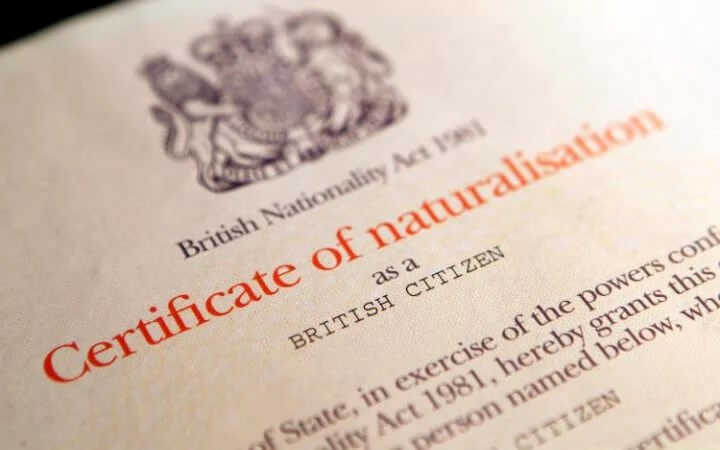
- British citizenship costs
- A property deposit
- Emergency expenses
- Children’s education
When each pound has a purpose, your financial decisions become much clearer. You’re no longer taking money from “savings.” You’re taking money from your future home deposit. Or your citizenship application fund. Or your emergency protection fund. That simple mindset shift makes discipline much easier.
Avoid Lifestyle Creep and Let Your Pay Rise Work for You
One of the most overlooked threats to long-term financial growth is something called lifestyle creep. This happens when your spending increases every time your income increases. You get a pay rise and upgrade your phone. You receive a bonus and increase your monthly subscriptions. You move into a more expensive apartment simply because you can. None of these decisions is necessarily wrong. The problem happens when every increase in income immediately disappears into higher spending.
For migrants, this can be particularly risky because financial responsibilities rarely disappear. Visa renewals still need to be paid. Family commitments still exist. Immigration costs continue to rise over time. Instead of allowing every salary increase to improve your lifestyle, consider allowing some of it to improve your savings. Even directing a portion of every pay rise toward your future can create remarkable results over time.
Start Exactly Where You Are
If there is one thing I want you to remember, it is this:
You do not need a perfect savings plan to start building financial security.
You simply need a realistic one.
Whether you can save £50, £100, or £500 each month is far less important than whether you can continue doing it consistently.
Financial freedom is rarely built through grand gestures. It is usually created through quiet, intentional decisions made month after month, year after year. So stop chasing random targets that were never designed for your life. Look honestly at your income, responsibilities, and goals. Create a savings target that feels challenging but sustainable.
Then stick with it. Because the best savings plan is not the one that looks impressive online. It is the one that helps you sleep better at night and move closer to the future you’re building in the UK.




Leave a Reply