
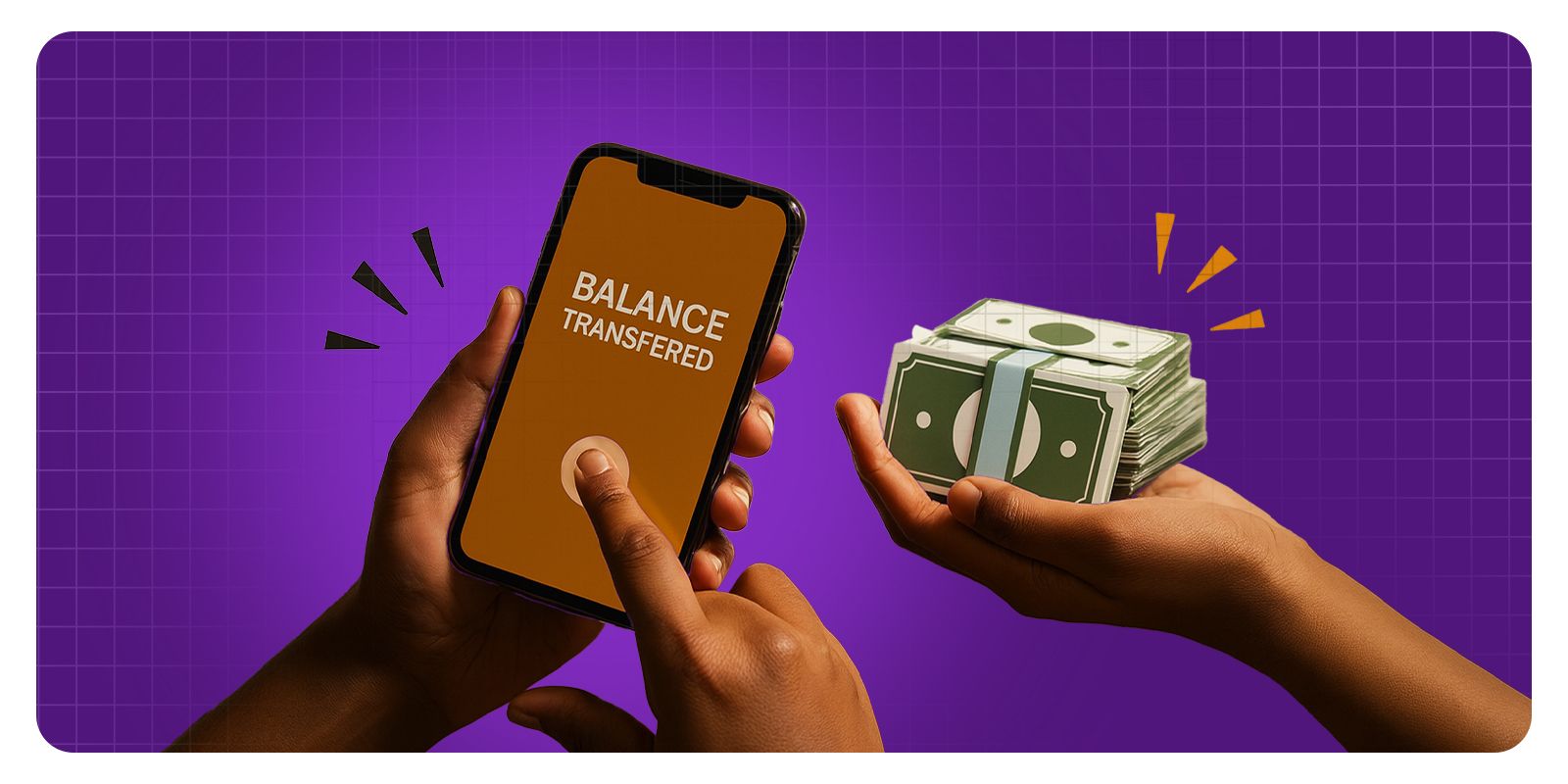
This is something that seems small at first, but can quietly affect your business, your finances, and even your peace of mind in the UK.
You’ve started making money. Maybe it’s a side hustle, a small business, or just something you’re doing on the side to support yourself. Then the question comes up: “Should I collect cash, or just take transfers?”
It sounds like a simple choice. But honestly, it’s not just about convenience. In the UK, how you receive money matters more than most people realise. It affects how your income is seen, how easy it is to manage your finances, and how confidently you can explain your money if anyone ever asks.
Let me break this down for you properly, just as I would in a real conversation.
It’s Not About Preference, It’s About Structure
Most people choose between cash and transfers based on what feels easier. Cash feels quick. No waiting, no bank delays, no charges. You get paid, and that’s it. Transfers, on the other hand, feel cleaner. The money goes straight into your account, and you don’t have to worry about handling physical cash.
But here’s the part people don’t always think about, in the UK, it’s not just about what’s easy. It’s about what makes sense on paper. The system here is structured. Banks, tax authorities, and even immigration processes (in some cases) all rely on clear financial records. So when money comes in, it’s not just about receiving it, it’s about being able to explain it.
That’s the mindset shift. You’re not just collecting payments. You’re building a financial trail.
Cash Isn’t Wrong, But It Requires Discipline
Let me be very clear, there’s nothing illegal about accepting cash. A lot of small businesses in the UK still take cash. It’s normal. It’s allowed. But here’s where people get into trouble: cash is harder to track.
If you’re collecting cash regularly and not keeping proper records, it can create confusion later. Maybe your income increases and you need to explain where it’s coming from. Maybe your bank asks questions. Maybe you’re applying for something that requires proof of earnings. Suddenly, you’re trying to remember transactions that weren’t documented properly.
That’s where stress comes in.
So if you decide to accept cash, and there’s nothing wrong with that, you have to be intentional. Write things down. Keep simple records. Even a basic notebook or phone note can make a difference. Because in this system, what you can prove matters just as much as what you earn.
Why Transfers Make Life Easier
Now, this is why many people gradually move toward bank transfers.
When someone pays you through a transfer, there’s already a built-in record. You can see who sent the money, when it was sent, and how much it was. Everything is documented automatically. And honestly, that makes life easier.

If you ever need to check your income, prepare for taxes, or respond to any questions from your bank, you’re not starting from scratch. The information is already there. It also helps you see patterns in your business. You can track how much you’re making, when your busy periods are, and whether you’re actually growing.
So it’s not just about “looking professional”, it’s about clarity. And clarity gives you confidence.
The Real Issue Isn’t Cash or Transfer, It’s Transparency
Let me address the real issue directly. It’s not whether you take cash or transfers; the real problem is undeclared income.
In the UK, once you’re earning money from a business or side hustle, you’re expected to report it to HM Revenue and Customs (HMRC). That applies whether you’re being paid in cash, transfers, or a mix of both. So, trying to “hide” income or avoid declaring it is where things become risky, not the payment method itself.
A lot of people don’t realise this early enough. They think the system won’t notice small amounts or irregular payments. But over time, patterns build. And when questions come up, it’s always better to be prepared than to be caught off guard. Transparency is what protects you.
Separate Your Money Early, You’ll Thank Yourself Later
This is one piece of advice I give to almost everyone starting. As soon as your side hustle begins to bring in consistent money, separate it from your personal finances. It doesn’t have to be complicated. Even opening a separate account just for your business income can make a huge difference.
Why?
Because it gives you clarity. You can clearly see what’s coming in, what you’re spending, and what’s actually profit.
It also makes tax reporting easier. Instead of trying to sort through mixed transactions, everything is already organised. And most importantly, it protects you from confusion. Financial confusion is one of the biggest reasons small businesses struggle, not because they’re not making money, but because they don’t fully understand it.
Keeping things separate brings structure to your hustle.
Building a Business That Lasts
If you’re making money, whether it’s small or growing, you’re building something. And how you handle payments is part of that foundation. You can build something quickly and loosely, or you can build it in a way that supports you long-term.
The UK system rewards people who are organised, transparent, and consistent. It’s not about being perfect—it’s about being intentional. You don’t need fancy tools. You don’t need to overcomplicate things. But you do need to take your money seriously. Because the way you handle small amounts today shapes how you’ll handle bigger amounts tomorrow.
My Honest Advice as Your Friend
If I had to simplify everything into one message, it would be this: Don’t build your hustle in a way that creates problems for your future. Take payments in a way you can track. Keep simple records, even if it feels unnecessary right now. Stay transparent from the beginning.
Cash is fine. Transfers are great. But structure is what really matters. Because in the UK, it’s not just about making money, it’s about being able to explain your money confidently, anytime you’re asked.
And when you reach that point, everything becomes easier.


Leave a Reply