
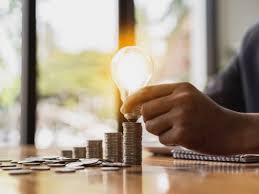
Nobody really prepares you for how quickly money moves in the UK. You arrive, you start earning, and for a moment, it feels like things are working. Then suddenly, you check your account and wonder where everything went. It’s not always because you’re spending recklessly; it’s often because the system itself is structured in a way that quietly pulls money from different directions.
That’s why learning how to save early is not just helpful, it’s necessary. If you don’t build that awareness from the beginning, you can easily fall into a cycle where you’re earning but not progressing. The good news, though, is that saving money in the UK is very possible when you understand where your money is going and how to control it.
Start With Your Biggest Expense: Where You Live
Your first real opportunity to save money will come from your living situation. Rent is usually the largest expense for most migrants, and the decision you make here affects everything else.
There’s always that pressure to get a nice place immediately. You want a good area, easy transport, comfort, maybe even something that feels like a reward after all the effort it took to move. But the reality is, choosing an expensive place too early can put you under financial pressure without you realising it.
That’s why many people start with shared accommodation or slightly less central locations. It’s not always because they can’t afford better, it’s because they understand the importance of staying flexible in the beginning. When your rent is manageable, everything else becomes easier. You have room to save, room to adjust, and room to breathe.
Think of your first year as a foundation. You don’t need perfection, you need stability. And stability often starts with controlled housing costs.
Food Spending: Small Decisions, Big Impact
Now let’s talk about something that doesn’t feel expensive at first, but adds up very quickly, food. Groceries and takeaways can quietly take a large portion of your income if you’re not paying attention.
In the UK, where you shop matters. Some supermarkets are naturally more affordable than others, and once you figure out where to get the best value, you start saving without even trying too hard. Planning your meals ahead of time also makes a big difference. It reduces impulse buying and helps you avoid those last-minute, more expensive options.
It’s not about depriving yourself or eating poorly. It’s about being intentional. When you create a simple routine, knowing where you shop, what you buy, and how you use it, you’ll notice that your food expenses become more predictable and easier to manage. Over time, those small savings accumulate into something meaningful.
Transport: The Silent Daily Expense
Transport is another area that people underestimate, especially in the beginning. At first, it feels like small amounts, a bus here, a train there, maybe a taxi when you’re tired. But when you add it up over a month, it can become a significant expense.
The UK transport system is well-structured, but it rewards those who plan. Learning the most cost-effective routes, understanding peak and off-peak times, and using travel cards or discounts can reduce your spending without affecting your routine too much.
Once you settle into a pattern, knowing your regular routes and how to move efficiently, you stop wasting money on unnecessary trips. It’s not about restricting yourself; it’s about moving smarter.
The Hidden Drain: Subscriptions and Small Payments

This is one area where money disappears quietly, and many people don’t even notice until it’s too late. Subscriptions and small recurring payments can build up faster than you expect.
Streaming services, app subscriptions, gym memberships, and other monthly charges often run automatically through your account. Because each one seems small, it’s easy to ignore them individually. But when combined, they can take a noticeable chunk out of your income every month.
The tricky part is that once these payments are set up, they continue in the background. You don’t actively feel the spending, but it’s happening consistently. Taking time to review what you’re actually paying for and cancelling what you don’t truly need can free up money immediately.
Sometimes, saving money is not about earning more. It’s about stopping unnecessary outflows.
Awareness Changes Everything
Let me share something simple but powerful: the moment you become aware of your money, things start to change. You don’t need complicated tools or systems to begin. Even a basic understanding of how much you earn and where it goes can make a huge difference.
Tracking your spending, even in a simple way, helps you notice patterns. Maybe you’re spending more on transport than you thought. Maybe food is taking a bigger share than expected. Once you see it clearly, you can adjust.
And that’s the key. Saving money is not about being perfect. It’s about being intentional. When you know what’s happening with your money, you’re in a position to make better decisions.
Build the Habit Early, Benefit Later
The early stage of your life in the UK is where your habits are formed. If you learn to manage your money now, everything becomes easier later. Your savings grow, your stress reduces, and your confidence increases.
It doesn’t mean you won’t enjoy your life. It just means you’re building a structure alongside your enjoyment. You’re creating a balance that allows you to live well without constantly worrying about money.
Over time, those small, consistent decisions, choosing affordable housing, shopping smart, managing transport, controlling subscriptions, start to compound. And before you know it, you’ve built a level of stability that didn’t seem possible at the beginning.
My Honest Advice as Your Friend
If I’m speaking to you honestly, I’d say this: don’t wait until things feel tight before you start managing your money. The best time to build discipline is at the beginning.
Focus on your biggest expenses first. Pay attention to your daily habits. Keep things simple, but stay consistent. You don’t need to do everything perfectly; you just need to stay aware and make small improvements over time.
Because once you get this right, something shifts. You stop feeling like you’re just surviving, and you start feeling like you’re actually building something.
And that’s the real goal, not just earning money in the UK, but learning how to keep it, grow it, and use it to create a more stable life for yourself.




Leave a Reply