
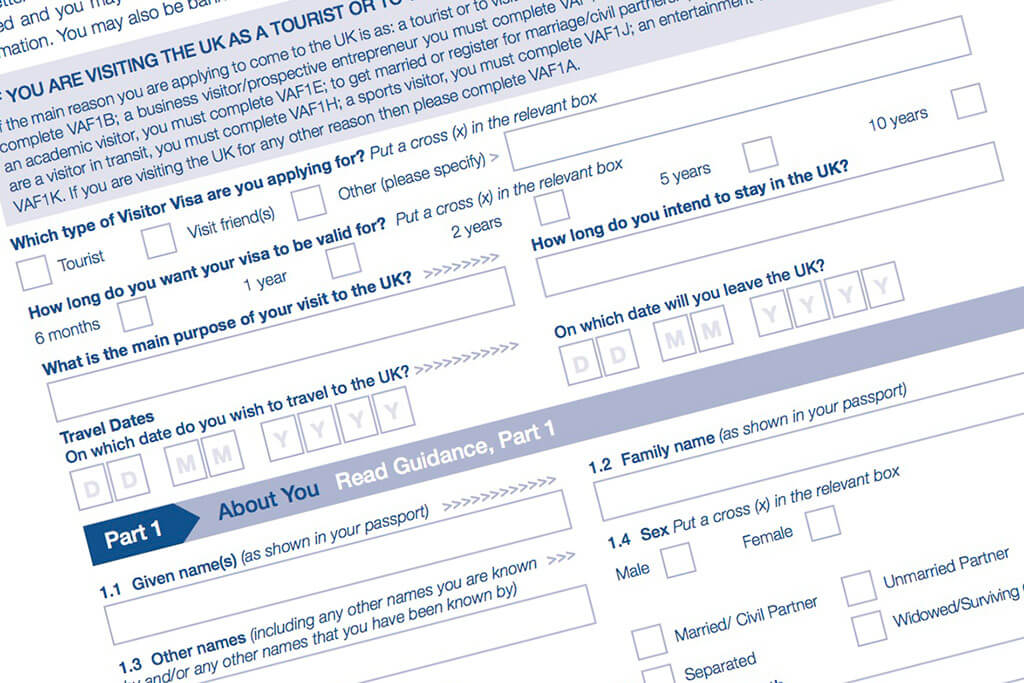
After years of building your life in the UK, getting to the point where you can apply for British citizenship can feel incredibly exciting after working hard, paying your bills, building relationships, navigating complex immigration rules, and spending far too much time staring at visa expiry dates.
So when the time finally comes to apply for naturalisation, it is tempting to think, “I have ILR, I meet the requirements, so let me just submit the application”, Not so fast.
One of the easiest ways to make a citizenship application unnecessarily stressful is to start filling in the form before you have gathered the evidence you will need. British citizenship applications require you to provide detailed information about your identity, immigration history, residence, and other eligibility requirements, meaning that if you cannot easily access the documents or information needed to support your application, you may find yourself scrambling at the worst possible time. The better approach is simple: prepare your citizenship documents before you start the application.
Your Citizenship Documents Should Tell a Clear Story
Think of your naturalisation application as a story about your life in the UK, where the Home Office needs to establish that you meet the relevant legal requirements and your documents help support the information you provide. That means your paperwork should make it easy to understand who you are, your immigration history, and your time spent living in the UK.
Your passport is an obvious starting point, so make sure you know exactly where your current and previous passports are, particularly if you have travelled frequently during the qualifying period. This becomes especially important when you need to work out your absences from the UK, because if you have travelled regularly for holidays, work, weddings, family emergencies, or business trips, don’t depend entirely on your memory.
That trip you took three years ago might feel insignificant now, but the dates can become important when you are completing your naturalisation application, meaning your passports, travel records, flight confirmations, and other evidence can help you reconstruct your movements accurately, ensuring the information you submit is accurate and consistent.
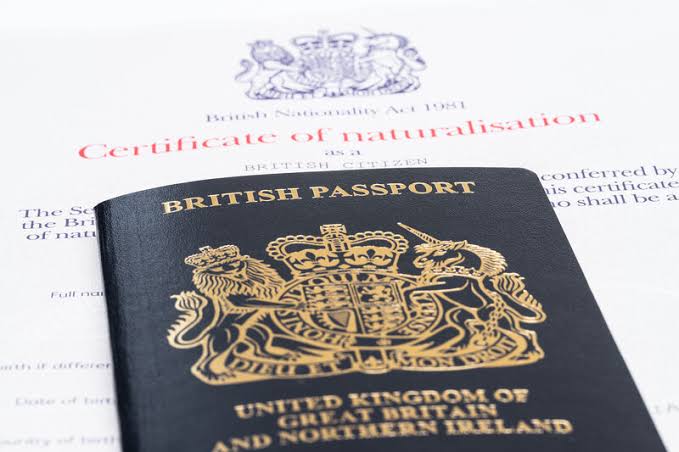
Get Your Passport and Travel History in Order
One of the biggest areas to prepare carefully is your UK residence and absence history. For many applicants, the standard residence requirement involves having lived in the UK for five years, although the qualifying period can be different for people married to or in a civil partnership with a British citizen.
You also need to meet the relevant absence requirements, as generally, applicants under the five-year route should not have been outside the UK for more than 450 days during the qualifying period and normally no more than 90 days in the final 12 months. There are limited circumstances in which discretion may apply, so don’t automatically assume that exceeding a threshold means your application is impossible, the important thing is to calculate your absences properly.
This is where your travel history becomes incredibly valuable: if your passports contain entry and exit stamps, use them alongside your own travel records, search through old emails for flight bookings, check travel confirmations, and look at any records that can help you establish dates you may have forgotten. And remember, don’t guess when you can verify, as a difference of a few days may not seem significant when looking back through years of travel, but accuracy matters when submitting information to the Home Office.
A simple spreadsheet recording the date you left the UK, where you went, the date you returned, and the total number of days away can make comparing your results against the residence requirements much easier.
Check Your Immigration Documents Before Submitting
Your citizenship application is not the time to discover that your immigration paperwork is incomplete, so make sure you can access evidence of your current immigration status, particularly your ILR or settled status details. Since the UK has moved increasingly towards digital immigration status, your evidence may not look like the old-fashioned physical documents many migrants are used to carrying, meaning if you previously held a BRP, your current status may now be evidenced digitally through your UKVI account.
It is also worth checking that the personal information attached to your immigration record is accurate and consistent across your documents, including your name, date of birth, and identifying details. If your name has changed because of marriage or another legal reason, make sure you understand what evidence is available to demonstrate the change, as this kind of preparation can save you from that horrible moment when you are halfway through an application and realise you cannot find an important document.
Ensure your digital UKVI profile details match your current passport perfectly before starting the naturalisation form.
Don’t Leave Your English and Life in the UK Evidence Until the Last Minute
Your citizenship documents are not limited to passports and immigration records, as depending on your circumstances, you may also need to demonstrate that you have met the English language and Life in the UK Test requirements.
If you have already passed the Life in the UK Test, keep the details of your successful test available, as you generally do not need to retake the test simply because you are applying for citizenship if you have already passed it for an earlier immigration application.
Similarly, check what evidence you have for the English language requirement and whether you qualify for an exemption, which is particularly useful if you have already gone through the settlement process. Don’t assume that because you remember passing a requirement years ago, you will automatically know how to demonstrate it now, as early preparation removes that uncertainty.
Check Your Referees Before You Need Them
Another part of the application that people sometimes underestimate is finding suitable referees. British citizenship applications generally require two referees who meet specific requirements: one should normally be a professional person, while the other should generally be a British citizen passport holder who is either a professional person or over 25 years old (subject to the specific rules).
The important thing is to check the current requirements rather than simply choosing the two people who happen to be easiest to contact. Speak to your referees early, confirm they are comfortable providing the required information, and ensure they understand that they may need to sign the appropriate declaration, eliminating an avoidable headache before you begin.
Your Citizenship Application Deserves a Paperwork Audit
Before pressing that final submission button, give yourself time to conduct a proper document audit by looking at your application from the perspective of someone who knows nothing about your life. Does your information make sense, are your dates consistent, can you explain your absences, do your identity documents match, have you satisfied the language and Life in the UK requirements, and are your referees appropriate?
Most importantly, don’t rush simply because everyone around you is applying, because naturalisation is a significant step and the application fee is substantial. A little preparation beforehand is far better than discovering an avoidable problem after submission, so take your time, gather your evidence, check the current requirements, and if your circumstances are complicated, consider getting regulated immigration advice before submitting. You have already done the hard work of building your life here; now, make sure your paperwork tells that story properly.



Leave a Reply