
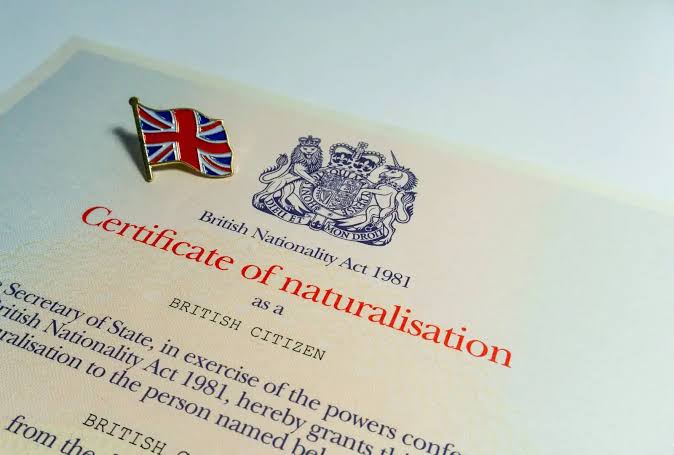
Moving to the UK teaches you many lessons; you learn how to navigate unfamiliar transport systems, adapt to different workplace cultures, understand council tax, and even master the art of layering clothes for unpredictable weather. But there is one lesson that rarely gets enough attention, even though it could make the biggest difference to your immigration journey, and it is not about earning a higher salary or finding a better job, but rather, it is about keeping your paperwork.
That might sound incredibly boring, but hear me out. Years from now, when you’re preparing to apply for Indefinite Leave to Remain (ILR) or British citizenship, those seemingly insignificant documents you’ve been ignoring could become some of the most valuable possessions you own. Many migrants only realise this when the Home Office asks for evidence they can no longer find, and suddenly, old payslips, employment letters, travel records, and tax documents become priceless. The truth is simple: the easiest time to organise your immigration records is long before you actually need them.
Why Your British Citizenship Document Archive Should Start Today
One of the biggest mistakes migrants make is assuming they’ll organise everything when it’s time to apply for settlement or citizenship, but life rarely works that neatly. By the time your eligibility window opens, you may have changed jobs several times, moved homes, upgraded laptops, replaced phones, and closed old email accounts, meaning important files become scattered across different devices, cloud storage accounts, or forgotten inboxes.
Then the stress begins, you spend evenings searching for missing P60S, contacting former employers for old contracts, trying to remember exactly when you travelled home for your cousin’s wedding three years ago, or scrolling through thousands of photos to find boarding passes you never imagined would matter. That kind of panic is completely avoidable. Instead of treating your immigration paperwork as something to think about later, build the habit of filing documents the moment you receive them. Think of it as making small deposits into your future peace of mind, because every document you save today could save hours of stress years down the road.
Build Your British Citizenship Document Archive with Employment Records
Many people think pay slips are only useful for checking whether they’ve been paid correctly, but in reality, they serve a much bigger purpose. Your monthly payslips, P60S, employment contracts, promotion letters, and tax records help create a timeline of your life in the UK. They demonstrate that you’ve been working legally, paying tax, and maintaining continuous residence throughout your immigration journey, which means that when applying for ILR or British citizenship, evidence of lawful residence and employment can become incredibly important.
Having these documents neatly organised means you’re ready if they’re requested, rather than scrambling to recreate years of employment history. Even if you change employers, never assume your old records are no longer useful. Download digital payslips before leaving a company and keep copies of contracts, confirmation letters, and important HR correspondence. Employers change payroll systems, companies merge, and access to old employee portals can disappear surprisingly quickly, so the rule is simple: if the document helps tell the story of your life in the UK, keep it.
Your British Citizenship Document Archive Should Include Every Trip Abroad
Travelling home to visit family is one of the joys of being able to live and work in the UK. Weekend breaks across Europe, holidays with friends, emergency family visits, weddings, and celebrations are all part of life; however, from an immigration perspective, every single trip contributes to your residence history. For applications such as ILR and British citizenship, the Home Office considers time spent outside the UK, which means you’ll often need highly accurate records of your departures and returns.
The problem is that memory fades; can you remember exactly when you travelled in April four years ago? Most people cannot. Instead of relying on memory, create a simple travel log to record the country visited, departure date, return date, and reason for travel, while saving booking confirmations, boarding passes, or flight itineraries in the same digital folder. It takes less than five minutes after each trip, but it can save countless hours when completing future immigration applications.The
Home Office enforces strict absence limits for settlement and citizenship. Keeping a live, automated log is the easiest way to monitor your threshold before it’s too late.
Create a Secure British Citizenship Document Archive That Works for You
The good news is that building an organised archive doesn’t require expensive software or complicated systems; a simple cloud storage folder can be enough. Create clearly labelled folders for employment, visas, travel history, finances, education, identity documents, and correspondence from the Home Office, and whenever you receive a new document, upload it immediately instead of promising yourself you’ll do it later.
Scanning physical documents is also worth the effort; paper fades, gets misplaced, or can be damaged during house moves, meaning having secure digital copies ensures your evidence remains accessible wherever you are. You should also back up your files in more than one secure location, because technology occasionally fails, and immigration documents are simply too important to depend on a single device. The goal isn’t perfection, but knowing that if the Home Office requests additional evidence tomorrow, you can find it within minutes instead of days.
Organisation Protects More Than Your Application
Many people think document organisation only matters when applying for British citizenship, but in reality, it helps throughout your entire life in the UK. Imagine changing employers, applying for a mortgage, renewing your visa, proving your income, or dealing with an unexpected issue involving your sponsor. Having immediate access to contracts, salary records, and official correspondence makes every one of those situations far less stressful.
Unexpected events happen too: employers restructure, payroll systems change, companies close, and people lose access to old accounts, meaning your personal archive becomes the one place where your own history remains safely under your control. Something is empowering about knowing your records are complete, because it removes uncertainty and gives you confidence whenever an official request arrives.
Your Future Self Will Thank You
The journey to British citizenship is rarely built on one dramatic moment; it is built through hundreds of small, consistent decisions. You renew visas on time, obey immigration rules, build your career, pay your taxes, and settle into your community, and keeping your records organised belongs on that same list.
One day, when your citizenship application is finally ready, you’ll open your folder and realise everything you need is already there, no frantic searches, no desperate emails to former employers, and no guessing travel dates from years ago, just confidence. Your immigration journey represents years of sacrifice, resilience, hard work, and determination, so protect that investment by treating your paperwork with the same care you’ve given every other part of building your life in the UK, because the future you will be incredibly grateful that you started today.




Leave a Reply