
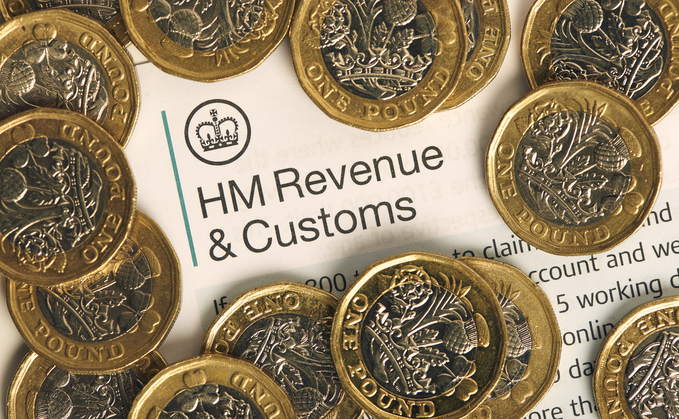
There is something incredibly satisfying about seeing money come in from more than one source. Maybe you work a full-time PAYE job during the week and offer freelance services on weekends. Perhaps you have started selling products online, tutoring students in the evenings, or running a small side business that is slowly gaining momentum. Whatever your situation looks like, having multiple income streams can be one of the smartest ways to build financial security in the UK.
However, there is a side of earning extra income that many people do not think about until it becomes a problem. The excitement of making additional money often overshadows the administrative responsibilities that come with it. Before long, income from different sources starts mixing, records become difficult to track, and tax obligations begin to feel confusing.
The good news is that none of this needs to be stressful. When you understand how the UK tax system works and put a few simple habits in place, you can grow your side income confidently while keeping your finances organised and fully compliant.
Understanding Extra Income in the UK: Why the Rules Matter
One of the biggest misconceptions people have is that small side hustles are invisible to the system. The reality is that the moment you begin earning money outside your regular employment, there are rules that may apply depending on how much you earn and the type of work you are doing. This does not mean you should be worried. It simply means you should understand the basics early so that your success does not create unnecessary headaches later.
Think of it this way. When you receive a salary through PAYE, your employer handles much of the tax administration on your behalf. Income tax and National Insurance contributions are usually deducted automatically before your salary reaches your bank account.
With freelance work, consulting, online businesses, or other self-employed activities, the responsibility shifts more towards you. You become responsible for understanding what income needs to be declared and when.
That is why financial organisation becomes just as important as earning the money itself.
Managing Multiple Income Streams Without Losing Track of Your Money
One challenge that catches many people off guard is how quickly different income sources can become tangled together. At first, everything feels simple. A client sends a payment, an online order comes through, or a side project pays out. Because the money arrives directly into your personal account, it can feel like extra spending money that is immediately available.
The problem is that not all of that money necessarily belongs to you. Part of it may eventually be owed in tax, and if you spend everything without planning, you could find yourself facing an unexpected bill later.
This is why many experienced freelancers and business owners recommend separating business income from personal finances as early as possible. You do not necessarily need a complicated setup when starting, but creating clear boundaries makes an enormous difference.
When you know exactly what has been earned, what has been spent, and what needs to be set aside, your finances become much easier to manage. More importantly, you gain a realistic picture of whether your side hustle is genuinely profitable or simply generating revenue without much actual profit. Financial clarity is one of the most underrated wealth-building skills you can develop.
HMRC Trading Allowance and Self Assessment: What You Need to Know
This is the point where many people become confused, so let me explain it as simply as possible. HMRC currently provides a Trading Allowance of £1,000. In basic terms, if your total income from self-employment, casual trading, or side activities is £1,000 or less during a tax year, you may not need to report it through Self Assessment.
However, once your trading income exceeds that threshold, different rules can apply. At that stage, you may need to register for Self Assessment and declare your earnings properly. The registration deadline is usually 5 October following the end of the tax year in which you became liable to file.
Many people make the mistake of waiting until tax deadlines are close before thinking about any of this. Unfortunately, leaving things until the last minute often creates unnecessary stress.
Imagine trying to reconstruct an entire year’s worth of invoices, receipts, bank transfers, and business expenses just days before a deadline. It is exhausting, frustrating, and entirely avoidable.
The easiest tax return is the one you have been preparing for all year without even realising it. A simple weekly habit of recording income and expenses can save hours of stress later.
Why Good Record-Keeping Can Save You Money
Most people think record-keeping is purely about compliance. In reality, good records can actually reduce the amount of tax you pay legally.
When you operate a business or freelance activity, certain expenses may be allowable for tax purposes. Depending on your circumstances, these could include things such as software subscriptions, professional tools, office supplies, travel costs related to your work, or other legitimate business expenses.
If you fail to track these costs properly, you may end up paying tax on more income than necessary. This is why experienced business owners treat receipts almost like valuable assets. Every receipt tells a financial story and provides evidence that can support your tax calculations if required.
You do not need an expensive accounting system to get started. Even a simple spreadsheet, organised folder, or bookkeeping app can make a significant difference. The goal is not perfection. The goal is consistency.
As Your Side Hustle Grows, So Do Your Responsibilities
One of the most exciting problems to have is making more money than you expected. Yet growth often introduces new financial considerations that many people overlook.
As your total income increases, you may move into higher tax bands or encounter changes that affect your overall tax position. What worked perfectly when your side hustle was earning a few hundred pounds per month may not be sufficient when that same business begins generating substantially more income.
This is why successful people do not just focus on earning more. They also focus on understanding the financial implications of that growth.
The earlier you become aware of these thresholds and responsibilities, the easier it becomes to plan effectively rather than reacting to surprises. Growing income should feel empowering, not stressful.
Build Wealth With Confidence, Not Confusion
If there is one thing I want you to take away from this conversation, it is this: earning extra income is a fantastic opportunity, but managing it properly is what transforms extra cash into long-term wealth.
The goal is not simply to make more money. The goal is to create a financial system that allows you to keep more of what you earn, stay compliant with HMRC requirements, and sleep peacefully knowing everything is under control.
Start small. Keep accurate records. Separate your finances where possible. Understand your obligations before they become urgent. Most importantly, remember that organisation is not the enemy of freedom; it is the thing that protects it.
Your side hustle has the potential to create opportunities, stability, and financial independence. By building good habits now, you give yourself the best possible chance of turning today’s extra income into tomorrow’s lasting wealth.





Leave a Reply