
I know how easy it is to think, “It’s just a few extra weeks” or “I’ll sort it out later.” Most people don’t plan to overstay their visa. Life happens. Decisions get delayed. Stress piles up. And before you know it, the date has passed.
But in the UK, overstaying is one of those things you really don’t want to gamble with. Even when it starts small or feels harmless, it can quietly cause serious problems later. Let me explain why, in very simple terms.
How Overstaying Usually Starts (And Why It Catches People Off Guard)
Overstaying rarely begins with bad intentions. It often comes from waiting for a visa decision, losing a job unexpectedly, dealing with family emergencies, or simply being confused about visa dates. I’ve seen people miss their expiry date by a few days and assume it won’t matter.
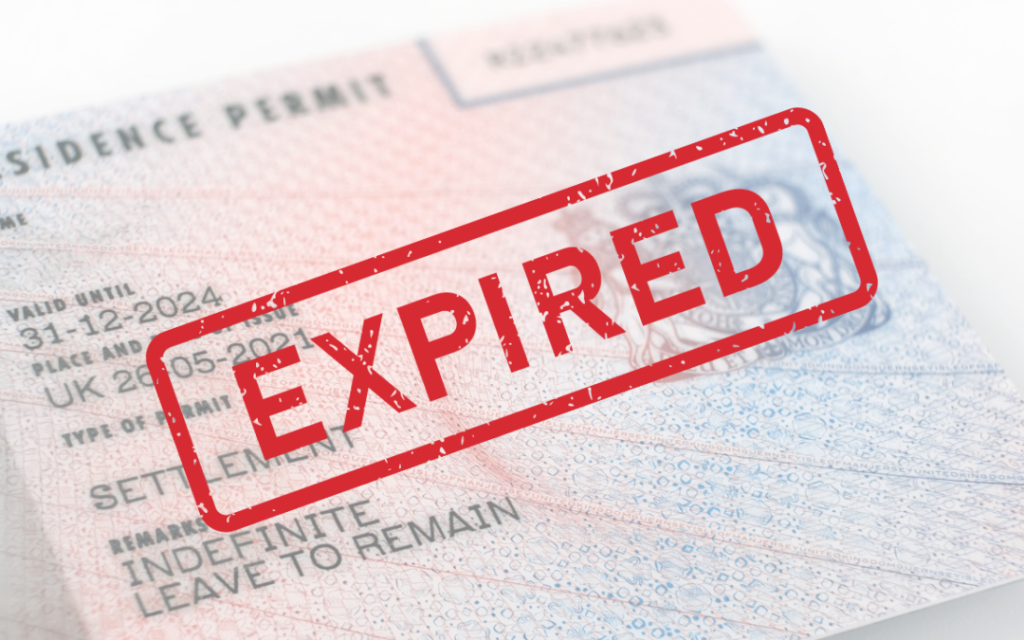
The truth is, the moment your visa expires, you’re officially overstaying. There’s no grace period unless the law specifically allows it. Even if you didn’t mean it, the system doesn’t see intention, it sees dates.
The UK Immigration System Keeps Records of Everything
This is something many people underestimate. In the UK, immigration records are detailed and long-lasting. Your visa dates, entries, exits, and applications are all logged. Even if nothing happens immediately, overstaying doesn’t just disappear.
Years later, when you apply for another visa, permanent residence, or even citizenship, that old overstay can resurface. I’ve seen people completely shocked when a small mistake from the past affected a new application they felt confident about.
How Overstaying Can Affect Your Future Plans
This is where overstaying becomes more than “just a delay.” It can block future visas, affect your chances of getting Indefinite Leave to Remain, and, in some cases, lead to bans from re-entering the UK. The longer the overstay, the more serious the consequences.
And it doesn’t stop with the UK. Immigration systems share information. A bad record in one country can raise red flags elsewhere. So even if you think, “I’ll just leave and move on,” overstaying can follow you longer than you expect.
Why Working While Overstaying Makes Things Worse
This part is very important. Once your visa expires, you are no longer legally allowed to work, rent, or access certain services. Continuing to work while overstaying turns a bad situation into a much more serious one.
Employers can be fined, and your immigration history becomes harder to defend later. This is why I always say: if you’re unsure about your status, pause everything. Don’t assume. Don’t guess. Check and get advice.
There Are Safer Options Than Ignoring the Problem
If you realise your visa is about to expire, or has just expired, panicking or hiding won’t help. In some situations, there may still be legal ways to regularise your status, especially if there were genuine reasons for the delay.
The key is acting quickly and doing things properly. The UK system is strict, yes, but it responds better to people who follow the process than those who avoid it.
My Honest Advice to Anyone Living in the UK
Overstaying is never worth the stress, fear, or long-term damage it can cause. Even when things feel uncertain, handling your immigration status properly is always the safer choice.
Check your visa dates regularly. Don’t rely on memory. Ask questions early. And if something feels unclear, get advice before your visa expires, not after. Your immigration history is not something to gamble with; your future self will thank you for taking it seriously.




Leave a Reply