
The tax code is one of those things that many migrants overlook in the UK at the beginning. You start working, you receive your salary, and as long as the money hits your account, you move on. It feels straightforward.
But here’s the part most people don’t realise: there’s a small detail on your payslip that quietly controls how much of your salary you actually get to keep. And that detail is your tax code.
It might look like just a random mix of numbers and letters, something easy to ignore. But that code is not random at all. It’s actually a set of instructions that tells your employer how much tax to deduct from your income. And if you don’t understand it, you could be paying more tax than you should without even knowing.
What Your Tax Code Really Means (In Simple Terms)
Think of your tax code as a guide your employer uses to calculate your tax. Instead of manually deciding how much tax to take from your salary, they follow the instructions tied to your tax code.
These codes are issued by HM Revenue and Customs, and they are based on your personal financial situation. That includes how much you’re allowed to earn tax-free, whether you have more than one job, and if any adjustments need to be made.
So your tax code is not just a label, it’s a reflection of your current financial setup in the UK system.
When everything is correct, your tax code ensures you’re paying the right amount of tax. Not too much, not too little. But if something is off, even slightly, it can affect your take-home pay in a way that’s easy to miss if you’re not paying attention.
The Common Tax Code You’ll Likely See
If you’ve just started working in the UK, there’s a high chance you’ve come across a tax code like “1257L.” At first glance, it looks confusing, but it’s actually quite simple once you understand it.
This code basically means you’re entitled to a standard personal allowance. In other words, you can earn up to a certain amount in a year before you start paying income tax. After that threshold, the rest of your income is taxed according to the usual rates.
The numbers represent your tax-free allowance, while the letter at the end gives additional information about your situation. Once you understand this, that “mysterious” code starts to make a lot more sense.
And this is important, because when you understand what your tax code represents, you’re no longer just accepting deductions blindly; you’re actually aware of how your salary is being calculated.
Why Your Tax Code Can Change (And Why You Should Notice It)
One thing many people don’t realise is that your tax code is not fixed. It can change over time depending on your circumstances.
For example, if you change jobs, start a second job, receive certain benefits, or experience a shift in income, your tax code may be updated to reflect those changes. Sometimes these updates are accurate and necessary. Other times, they might need a second look.
The important thing is this: if your tax code changes, it’s not something to ignore. It usually means that something in your financial record has been updated.
And if you don’t pay attention, you might miss an adjustment that affects your income every single month. It’s one of those small things that can have a consistent impact over time.
When Things Don’t Go as Expected
Sometimes your tax code might not be correct. This is something that happens quite often, especially when you’re new to the UK system.
You might be placed on what’s known as an emergency tax code. This usually happens when there isn’t enough information about your income or employment history yet. In this situation, you could end up paying more tax than necessary, at least temporarily.
It can feel frustrating when you notice that your deductions seem higher than expected. But the good news is that this is usually fixable. Once your details are updated properly, your tax code can be corrected. And if you’ve overpaid, you can often get that money refunded.
The key is not to ignore it. The sooner you notice and address it, the easier it is to resolve.
Why Checking Your Payslip Actually Matters
Let’s be honest, most people don’t check their payslips in detail. You receive your salary, glance at the total, and move on. It’s understandable, especially when you’re busy adjusting to life and work.
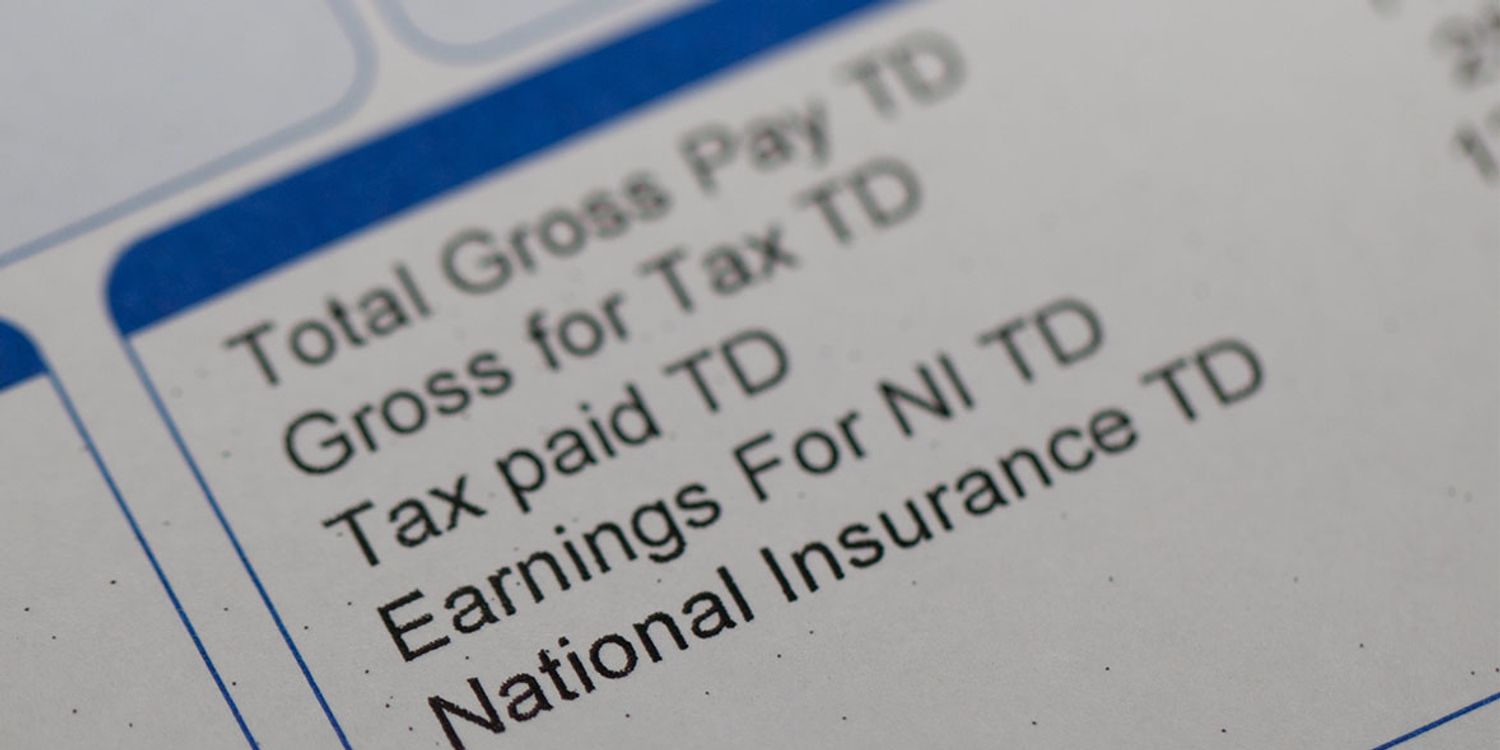
But your payslip is more important than it looks. It tells you exactly how your salary is being calculated. It shows your tax code, your deductions, and your final take-home pay.
Taking just a few minutes to look through it can make a big difference. You might spot an unexpected change. You might notice a higher deduction. Or you might simply gain a better understanding of your finances.
And over time, that awareness adds up. It helps you stay in control instead of feeling confused about where your money is going.
Building Confidence in the UK Financial System
Understanding your tax code might seem like a small thing, but it’s actually part of something bigger. It’s about learning how the UK financial system works and becoming more confident within it.
When you first arrive, a lot of things feel unfamiliar, such as taxes, bills, and credit systems. It can feel like you’re just trying to keep up. But the more you understand these details, the more control you gain over your financial life.
And that control matters. It helps you plan better, avoid unnecessary losses, and build stability over time.
Don’t just focus on how much you earn; pay attention to how it’s calculated. That small tax code on your payslip might not look important, but it directly affects your income. Understanding it doesn’t require you to become an expert. It just requires a bit of curiosity and consistency.
Check your payslip. Notice changes. Ask questions when something doesn’t look right. And take advantage of the fact that the system allows corrections when mistakes happen.
Because once you understand how your money is being handled, you start to feel more in control. And that sense of control is a big part of settling properly and building a stable life in the UK.



Leave a Reply