
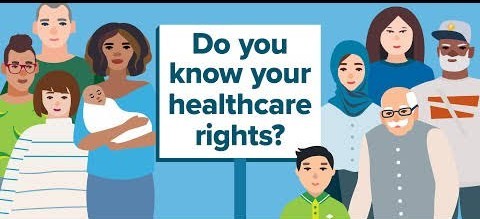
I’ve noticed that many migrants assume healthcare will “just sort itself out.” After all, you paid visa fees, you followed the rules, and you arrived legally. So surely your family is covered, right? Yes, but it’s still important to understand how it works.
When you properly understand your dependents’ healthcare rights in the UK, you stop worrying unnecessarily. You stop listening to rumours. And most importantly, you make smarter decisions for your family. So let me break it down in a simple, honest, and practical way.
Your dependents can use the NHS
This is the first and most important thing to understand. If your spouse or children paid the Immigration Health Surcharge (IHS) as part of their visa application, they are entitled to access the UK’s public healthcare system — the National Health Service (NHS), during the validity of their visa.
That means they can use NHS services broadly in the same way as UK residents. This includes:
-
GP (General Practitioner) appointments
-
Hospital treatment
-
Emergency care
-
Maternity services
-
Specialist referrals
So when you hear someone say, “Dependants can’t use the NHS,” that is simply not correct, as long as the Immigration Health Surcharge was paid and the visa is valid.
The IHS isn’t a small payment. It’s part of your visa cost, and it exists specifically so migrants and their dependants can access NHS healthcare. Once it’s paid, your family is covered within the public system.
That alone should bring some reassurance.
Registering With a GP Is the First Real Step
Now here’s where many people get confused.
Even though your dependants are entitled to NHS care, access does not happen automatically. You still need to register them with a local GP surgery once they arrive.
Think of the GP as your family’s main point of contact in the healthcare system. If your child gets sick, if your spouse needs a referral, if someone needs ongoing medication, it all starts with the GP.
Registration is usually straightforward. You’ll need:
-
Their Biometric Residence Permit (BRP)
-
Proof of address
-
Sometimes their passport
Most GP surgeries accept new patients based on postcode, so you simply register at one near your home.
And let me give you honest advice: don’t wait until someone is sick before registering. Do it early. When you’re already registered, appointments and referrals are much smoother. When you wait until there’s an emergency, everything feels stressful and rushed.
Preparation equals peace.
Children Are Well Protected Under the NHS
If you have children, this part should genuinely comfort you.
Children in the UK receive strong healthcare support through the NHS. They are entitled to:
-
Routine check-ups
-
Vaccinations
-
Development monitoring
-
Emergency care
-
Hospital treatment
There are structured vaccination programmes and health visitor services designed specifically to monitor children’s development. Schools may even ask whether your child is registered with a GP, especially when they first enrol.
Sorting healthcare early doesn’t just protect your child medically; it also helps them settle socially and academically. When you know their healthcare is sorted, you can focus on helping them adapt to their new environment.
NHS Care Is Mostly Free, But Some Charges Still Exist
Let me be very transparent so there are no surprises.
While NHS services are largely free at the point of use, some services come with small charges in England. These can include:
-
Prescription medications
-
Dental treatment
-
Eye tests and glasses
This doesn’t mean your dependants aren’t covered. It’s simply how the system works. In certain parts of the UK, such as Scotland, Wales, and Northern Ireland, prescription charges differ or may not apply in the same way as in England.
Some people also qualify for exemptions depending on income, pregnancy status, or medical conditions.
The key point is this: small charges for certain services are normal. They are not a sign that you don’t have rights. Once you understand this, you won’t feel confused or caught off guard at a pharmacy counter.
Private Healthcare Is Optional
Another common misunderstanding is that dependants must have private health insurance. That’s not true.
Private healthcare in the UK is optional. Some families choose it for faster appointments, shorter waiting times, or access to specific consultants. But it is not required for visa holders, and your dependents are not denied NHS care because they don’t have private insurance.
The NHS already covers essential and urgent healthcare needs.
If you can afford private insurance and prefer the additional flexibility, that’s fine. But don’t feel pressured into thinking it’s compulsory. Many families rely entirely on the NHS and manage perfectly well.
Keep Documents Safe and Stay Organised
Healthcare access is connected to visa validity. So always keep:
-
Visa documents
-
BRPs
-
NHS registration details
If you change address, update your GP surgery. If a visa is extended, ensure documentation remains valid.
Being organised in the UK system saves you unnecessary stress. When documents are ready and registrations are completed, you won’t panic if someone suddenly needs medical care.

Sort It Early and Live Peacefully
If there’s one thing I’ve learned about living in the UK, it’s this: preparation creates peace of mind.
When your dependants are registered with a GP, when you understand what the NHS covers, and when you know which services might carry small charges, you stop living in uncertainty.
Instead of worrying about “What happens if someone gets sick?” you already know the answer.
Healthcare is not something to figure out during an emergency. It’s something to arrange calmly at the beginning of your journey.
Once that’s sorted, you can focus on building your career, settling your children, and enjoying family life — without that quiet background anxiety about medical access.
And that, honestly, is priceless.



Leave a Reply