
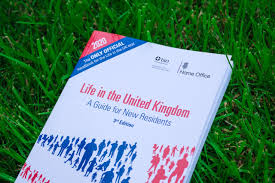
If you’ve heard people talk about the Life in the UK Test, chances are they made it sound scarier than it actually is. I remember how overwhelming it felt at first. People kept saying things like “You need to memorise British history” or “The questions are random,” and honestly, that alone can raise your blood pressure.
So let me explain it to you properly, the way I would explain it to a friend.
The Life in the UK Test is not designed to trick you or catch you out. It’s a straightforward exam that checks whether you understand the basics of life in the UK. This includes British values, how the government works, important historical moments, and everyday things that help you live and integrate properly. Once you understand what the test is really about, most of the fear disappears.
Why the Test Feels Hard Even Though It Isn’t
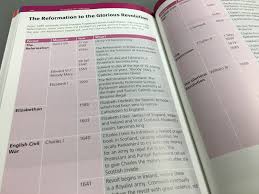
The test itself is not difficult, but the official handbook is very detailed. That’s where most people get overwhelmed. The book covers a wide range of topics, from kings and queens to traditions, laws, and modern UK society. Seeing all that information at once can make it feel impossible.
But here’s the truth: you do not need to memorise the book word for word. Most questions focus on recurring themes like important dates, major historical events, how the government is structured, and the values the UK stands for. When you study with that in mind, the content becomes much more manageable.
Why Practice Tests Are Your Best Friend
If there is one thing that makes the biggest difference, it’s practice tests. They are honestly a lifesaver. The real exam feels very similar to the practice questions you’ll find online or on mobile apps.
As you practise daily, something interesting happens. You start noticing patterns. Questions repeat in different ways, and certain topics come up again and again. Without even realising it, your confidence builds. What once felt confusing starts to feel familiar, and that’s when you know you’re ready.
Booking Your Test Without Stress
One thing many people don’t realise is that test centres can get fully booked, especially during busy periods when people are rushing to meet ILR or citizenship deadlines. That’s why it’s better to book early.
Once you feel around 60 to 70 per cent confident from your practice tests, go ahead and book your slot. Give yourself at least a week before the test date to revise calmly. Waiting until the last minute only adds unnecessary pressure.
What Actually Happens on Test Day
Test day is usually much simpler than people expect. When you arrive at the centre, they check your ID, confirm your booking, and ask you to wait briefly. The exam itself is taken on a computer in a quiet room.
There are no tricks, no strange rules, and no intimidation. It’s a basic multiple-choice test. You’re given 45 minutes, but most people finish in under 10 minutes because the questions are straightforward once you’ve practised.
Getting Your Result Immediately
One of the best parts is that you don’t have to wait days or weeks for your result. As soon as you finish, your result is printed and handed to you.
If you pass, keep that certificate safe. You’ll need it for your Indefinite Leave to Remain or British citizenship application. If you don’t pass, it’s not the end of the world. You can book the test again, revise more, and try again.
Why Understanding the Test Content Actually Helps You Settle In
A lot of people treat the Life in the UK Test as just another box to tick. But when you really understand the material, it helps you settle better into life in the UK. You learn how the country works, what your rights are, and what responsibilities come with living here.
Instead of rushing and cramming, take your time to understand the story behind the information. When you do that, the test becomes easier, and living in the UK starts to make more sense too.




Leave a Reply