
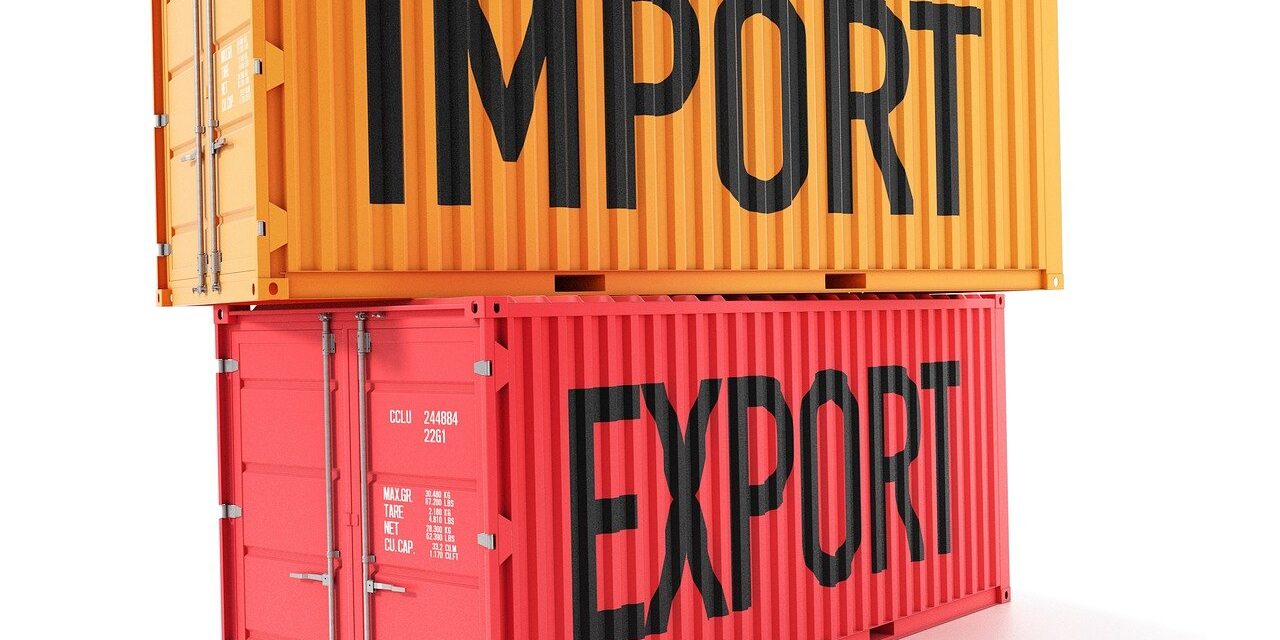
A lot of people believe starting an import business in the UK is as simple as buying African goods in bulk, shipping them over, and selling them for a profit. It sounds straightforward until you actually try it. The moment you decide to bring in things like smoked fish, hair extensions, spices, or African fashion items, you quickly realise the UK has layers of rules. There are customs declarations, licenses, packaging standards, safety checks, and even product restrictions you never knew existed.
If you don’t understand these things from day one, you will lose money before selling a single item. So let me break it all down for you, the same way someone with real import experience would explain it.
Start With One Simple Question: What Exactly Do You Want to Import, and Is It Allowed?
Before you spend money buying goods or paying exporters, you need to confirm whether your product is even allowed into the UK. Many African products fall under sensitive categories. Foods like smoked fish, dried snails, crayfish, kilishi, chin chin, and local spices often come with strict rules about hygiene, packaging, processing, and labelling. Anything that looks “homemade,” lacks proper labelling, or doesn’t clearly state its ingredients normally gets seized at the border without apology.
Non-food items like clothes, fashion accessories, wigs, and beauty products are generally easier, but they still have to meet safety and labelling standards. For example, hair extensions must show fibre composition, and cosmetics must show ingredients and batch information.
This step is often ignored, but it’s important. It’s better to know the rules before shipping than to hear, “Your goods have been detained” upon arrival.
Your Paperwork Must Be Ready Before the Goods Leave Africa
Once you’ve confirmed your products are allowed, the next challenge is paperwork, and this is where most beginners get stuck. Every shipment entering the UK must come with accurate documents. At the very least, you need a commercial invoice and a packing list. But beyond that, you also need correct commodity codes; these are specific codes the UK uses to classify every type of product.
If you’re importing food items, you may need extra documents like a health certificate or proof of processing from the exporting country. These aren’t “nice to have”, they’re required. And if they’re missing or incorrectly filled out, your goods can get delayed for days or even weeks. One wrong description, like “fish” instead of “smoked tilapia fillets” can hold everything up.
Your exporter must get this right, but it’s up to you to make sure they do.
Understand Customs Charges So You Don’t Lose Your Profit
A lot of new importers assume customs charges are random, but they’re not. The UK calculates your fees based on the commodity code, the type of goods, their origin, and the declared value.
When your goods arrive, you should expect to pay:
-
Customs duty
-
VAT
-
Sometimes, inspection or handling fees
These charges can add up quickly. If you understand your product’s correct commodity code, you can estimate your charges before shipping. That way, you can set the right selling price and avoid unexpected costs that wipe out your profit.
Set Up Your Business and Get an EORI Number
Many beginners overlook this part, but if you’re importing goods to sell, even if you sell from your bedroom, the UK considers you a business. You must register as either a sole trader or a limited company. It doesn’t have to be complicated, but it needs to be done.
Once your business is registered, your next step is getting an EORI number, which is like your import/export identification. Without an EORI number, your goods cannot pass through UK customs. The process is quick and free, but it’s one of the small details that determines how smooth your import journey will be.
Packaging and Labelling Are Not Just “Extra”, They Matter
The UK has strict rules about packaging and labelling, especially for food, cosmetics, and beauty items. For food, your label must show clear ingredients, allergens, expiry dates, nutritional details (if required), and manufacturer information. For beauty products, you need ingredients, safety information, and often batch numbers.
Even fashion items like clothes or fabrics benefit from proper labelling, size, fabric content, washing instructions, and origin.
Your packaging doesn’t need to be fancy, but it must be professional. Good packaging gives your business legitimacy. Poor packaging makes it look like you smuggled the goods in your suitcase.
Think About Where You’ll Sell Before Your Goods Arrive
Once your shipment lands, you need a plan for selling. The UK market is wide and diverse. Some sellers thrive in African stores, community markets, church bazaars, and weekend stalls. Others prefer digital platforms like TikTok Shop, Instagram stores, eBay, Etsy, or Shopify.
Each product has its best environment. African food items often sell faster in community markets and local African grocery stores. Hair, beauty products, and fashion items tend to perform better online.
Understanding where your customers shop helps you position yourself correctly from day one.
Final Thoughts: Importing Isn’t Hard, But It’s Not Guesswork
Starting an import business in the UK is doable, and it can be profitable, but only when you understand the system. Once you learn the rules, what’s allowed, how customs works, how to package your goods, and how to set up your business, you can ship confidently, avoid losses, and build something that actually grows.
Your success won’t come from luck; it will come from preparation. And now you already know where to start.



Leave a Reply